Truck accidents in Philadelphia leave people dealing with painful injuries, lost wages, and expensive medical care. When a crash happens because of someone else’s carelessness, victims deserve a path to justice and financial recovery. The city’s busiest highways and roads often present the highest risks for these collisions. Philadelphia truck accident hotspots and why they’re dangerous is a topic that matters for anyone who drives in the region or who has already been hurt in a collision.
People injured in these accidents often need strong legal guidance to hold trucking companies and insurers accountable. Having an experienced Pennsylvania truck accident lawyer on your side helps you pursue fair results and avoid being pressured into settling for less than your claim is worth. If you or someone you love suffered harm in a truck crash, consider reaching out to a Philadelphia truck accident attorney for a free consultation.
Schedule A Free Case Consultation
Key Takeaways: Philadelphia Truck Accident Hot Spots
- High-traffic corridors like I-95 and I-76 experience frequent truck accidents due to congestion, merge zones, and infrastructure limitations
- Pennsylvania's comparative negligence law allows victims to recover damages even if partially at fault, as long as they're less than 51% responsible
- Truck accident cases often involve multiple liable parties, including drivers, trucking companies, cargo loaders, and maintenance providers
- Common causes at Philadelphia hotspots include driver fatigue, improper lane changes, inadequate truck maintenance, and challenging road conditions
- Victims have two years from the accident date to file a personal injury claim under Pennsylvania's statute of limitations
What Makes Philadelphia Particularly Dangerous for Truck Accidents?
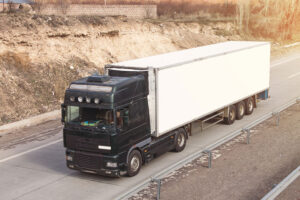
Philadelphia’s location and infrastructure create conditions where truck accidents happen more often. The city serves as a hub for East Coast commerce, and its road system struggles to keep up with the demands of large trucks and heavy traffic. Several factors make the risk of collisions higher than in smaller Pennsylvania communities.
Major Interstate Convergence
Philadelphia sits at the meeting point of several major highways, including I-95, I-76, and I-476. These interstates bring a constant stream of commercial trucks into the city. The heavy overlap of regional and local traffic creates bottlenecks that increase crash risk.
High Volume of Commercial Traffic
Trucks transporting goods from the ports and distribution centers in Philadelphia add significant pressure to the city’s roads. Large vehicles sharing space with commuters, tourists, and delivery vans often leads to unpredictable movements and higher accident rates.
Urban Infrastructure Challenges
Many of Philadelphia’s roads were built decades ago and weren’t designed for the volume of trucks they carry today. Narrow lanes, aging bridges, and complicated intersections make maneuvering difficult for large vehicles.
Weather and Seasonal Factors
Philadelphia experiences icy winters, heavy rains, and summer storms. Trucks take longer to stop than cars, and slick roads or reduced visibility increase the likelihood of accidents at known hotspots.
Where Do Most Truck Accidents Happen in Philadelphia?
Philadelphia’s traffic problem is concentrated along a handful of major roads. Each location has unique dangers, but they all contribute to higher crash statistics.
Interstate 95 Corridor
I-95 is one of the busiest highways on the East Coast. In Philadelphia, it runs parallel to the Delaware River and carries thousands of trucks every day. Constant construction, multiple exit points, and commuter congestion combine to make it a high-risk area.
Interstate 76 (Schuylkill Expressway)
I-76 is infamous among Philadelphia drivers for its traffic jams and sharp curves. Trucks attempting lane changes or merges in these conditions often cause multi-vehicle accidents.
Roosevelt Boulevard (U.S. Route 1)
Known for its confusing intersections and multiple traffic lanes, Roosevelt Boulevard has a long history of serious crashes. Trucks attempting to navigate frequent stops and turns often collide with smaller vehicles.
Interstate 676 (Vine Street Expressway)
I-676 connects I-95 and I-76, funneling trucks through Center City. Limited space, tight exits, and heavy daily use make this expressway a hotspot for collisions.
Delaware Avenue and Port Areas
Delaware Avenue, which runs through the port districts, sees a steady flow of tractor-trailers moving goods to and from the docks. High truck concentration mixed with city traffic creates frequent accident risks.
Why Are These Locations Accident-Prone?
Several overlapping problems make these Philadelphia roadways especially dangerous for truck drivers and other motorists.
Congestion and Merge Zones
Bumper-to-bumper traffic and tight merging lanes leave little room for error. Trucks need more distance to change lanes safely, but crowded highways often force risky maneuvers.
Construction Zones and Lane Restrictions
Philadelphia’s constant roadwork squeezes traffic into narrow lanes and shifts traffic patterns without much notice. For large trucks, these sudden changes raise the chance of hitting other vehicles.
Steep Grades and Sharp Curves
Highways like I-76 include steep hills and sharp curves that require careful handling. Trucks moving too quickly through these sections often lose control.
Limited Sight Lines and Blind Spots
Large trucks already have significant blind spots. When road design adds curves, bridges, or barriers, visibility drops even further. This leaves little reaction time for both truckers and other drivers.
What Pennsylvania Laws Apply to Truck Accidents?
Several laws shape how truck accident claims move forward in Pennsylvania.
- Federal Motor Carrier Safety Regulations Compliance: These nationwide rules cover truck maintenance, driver qualifications, and safe operation. Violations often become key evidence in accident cases.
- Pennsylvania's Comparative Negligence Rule: Accident victims can recover compensation as long as they are less than 51 percent at fault. Any share of fault reduces the total recovery.
- Commercial Driver's License Requirements: Pennsylvania requires special licensing and training for commercial truck drivers. Failing to meet these standards can make a driver and their company liable.
- Hours of Service Violations: Federal limits on driving hours exist to reduce fatigue-related crashes. Violations are common sources of liability.
- Truck Weight and Size Restrictions: Pennsylvania enforces limits on truck weight and dimensions. Overloaded trucks can cause more severe accidents and often indicate negligence.
Who Can Be Held Liable in a Philadelphia Truck Accident?
Truck accident claims often involve more than one responsible party. Identifying everyone who contributed to the crash is key to pursuing fair compensation.
The Truck Driver
Drivers who speed, text behind the wheel, or drive while tired may be held responsible for their actions.
The Trucking Company
Companies that push drivers to meet unrealistic schedules, fail to maintain vehicles, or ignore safety regulations share liability.
Cargo Loading Companies
Improperly secured or overloaded cargo can cause trucks to tip over or lose control. Cargo companies may be responsible if they failed to load safely.
Truck Maintenance Providers
Shops or contractors that fail to properly inspect or repair trucks can be liable if a mechanical issue causes an accident.
Vehicle and Parts Manufacturers
Defective brakes, tires, or steering systems sometimes lead to catastrophic crashes. In these cases, manufacturers may be at fault.
What Types of Injuries Result from Truck Accidents at These Hotspots?
Truck crashes often cause life-altering injuries because of the size and force of these vehicles.

Traumatic Brain Injuries
Blows to the head may cause long-term memory loss, difficulty thinking, or changes in behavior.
Spinal Cord Injuries and Paralysis
Damage to the spinal cord often leaves victims with partial or full paralysis. These injuries require extensive medical care.
Multiple Fractures and Crush Injuries
Bones crushed or broken by the force of impact can require surgeries, hardware, and long recovery times.
Internal Organ Damage
The blunt force from a collision may damage vital organs, leading to internal bleeding or the need for emergency surgery.
Wrongful Death
Sadly, many truck crashes in Philadelphia result in fatalities. Families may bring a wrongful death claim to hold responsible parties accountable.
How Do Truck Accidents Differ from Car Accidents Under Pennsylvania Law?
Truck accident claims often unfold differently than ordinary car accident cases.
- Complex Liability Issues: Multiple defendants often become part of the lawsuit, from drivers to corporations.
- Federal Regulations and Compliance: Truck cases involve unique federal rules that don’t apply to passenger cars.
- Higher Insurance Policy Limits: Commercial carriers usually carry larger insurance policies, which means higher stakes in truck accident settlement negotiations.
- Extended Investigation Requirements: Because more evidence is available, these cases often require in-depth investigations that take longer.
What Evidence Do You Need in Philadelphia Truck Accident Cases?
Strong documentation helps show how the collision happened, who was at fault, and what impact it left on the injured person’s life. Without it, trucking companies and insurers may try to downplay responsibility or shift blame.
An attorney can assist with gathering:
Accident Scene Documentation
Photographs of the roadway, skid marks, weather conditions, and the position of vehicles capture important details. Police reports often provide diagrams and officer observations that help establish the sequence of events.
Truck Driver Logs and Records
Records from the truck driver also play a major role. Federal rules limit how long drivers can be behind the wheel without rest, and logs often reveal whether those limits were ignored. Employment histories, training records, and post-accident drug or alcohol tests may also shed light on unsafe driving patterns. When a driver has a history of violations or was under the influence, that information can directly support a negligence claim.
Electronic Data from the Truck
Event Data Recorders, sometimes called black boxes, capture speed, braking, and steering inputs seconds before a collision. Electronic Logging Devices automatically track driving hours and rest periods, replacing the old paper logbooks that were easier to manipulate. Fleet GPS and telematics systems can reveal whether a driver stayed on approved routes, made unsafe maneuvers, or exceeded speed limits.
Witness Statements
Witness testimony provides another layer of evidence. Passengers, other drivers, and bystanders can describe what they saw in ways that confirm or challenge the official reports. First responders may also note whether a driver appeared fatigued, impaired, or unsteady, details that become significant in a claim.
Surveillance and Traffic Camera Footage
Traffic cameras along major corridors, business security systems, or even private dashcams often capture the collision itself, giving investigators clear visual proof of what happened.
How Our Attorneys Can Help
Truck accident claims require detailed work and a determined approach to hold trucking companies accountable. At The Oakes Firm, we focus on protecting the rights of victims throughout Philadelphia.
Thorough Accident Investigation
We gather police reports, black box data, and other evidence to build a complete picture of the crash.
Identifying All Liable Parties
We look beyond the driver to identify all parties that contributed to your injuries.
Navigating Federal and State Regulations
We use our knowledge of trucking regulations to spot violations that strengthen your claim.
Calculating Full Damages
We help document your medical bills, lost wages, and other losses to present a clear claim.
Negotiating with Insurance Companies
We push back against low offers and pursue fair results for you.
Trial Representation When Necessary
If insurers refuse to accept responsibility, we prepare to present your case in court.
Frequently Asked Questions About Philly Truck Accident Claims
How long do I have to file a truck accident claim in Pennsylvania?
Pennsylvania gives you two years from the date of the accident to file a personal injury claim. Missing this deadline usually prevents you from recovering damages.
Can I still recover compensation if I was partially at fault for the accident?
Yes. Under Pennsylvania’s comparative negligence rule, you may still recover damages as long as you’re less than 51 percent responsible.
What if the truck driver was an independent contractor?
Even if a driver works as a contractor, the trucking company may still share liability depending on how much control it had over the driver’s work.
How much is my Philadelphia truck accident case worth?
The value of a claim depends on medical bills, lost income, long-term care needs, and other factors. Every case is unique.
Do I need to report the accident to PennDOT?
Yes. Pennsylvania requires you to report accidents involving injury, death, or significant property damage within five days.
Contact Our Truck Accident Attorneys in Philadelphia Now
Truck accident cases move forward under strict legal deadlines. The sooner you act, the better chance you have to protect your rights and preserve evidence. At The Oakes Firm, we dedicate ourselves to standing up for truck accident victims across Pennsylvania. Contact our team today for a free consultation and let us review your claim without any obligation.