Electrocution remains one of the deadliest hazards facing construction workers in Philadelphia. According to the Occupational Safety and Health Administration (OSHA), construction site electrocution is part of the "Fatal Four"—the leading causes of death in the construction industry. Workers at job sites throughout Center City, the Navy Yard, and neighborhoods along the Delaware River waterfront face these risks daily.
If you suffered an electrical injury at work, you likely have more legal options than you realize. A Philadelphia construction accident lawyer may help you pursue compensation beyond workers' compensation, holding negligent parties accountable.
Schedule A Free Case Consultation
What Construction Workers Need to Know About Electrocution Claims
- Electrocution accounts for roughly 8%-9% of all construction worker deaths nationally, making it one of the industry's most serious hazards, according to OSHA.
- Electrical injuries often cause internal damage far more severe than visible burns suggest.
- Injured workers may pursue third-party claims against equipment manufacturers, subcontractors, or property owners in addition to workers' compensation.
- Pennsylvania law gives injured workers two years to file a personal injury lawsuit, so acting quickly is critical.
- An attorney familiar with construction injuries may help identify all responsible parties and fight for fair compensation.
How Electrocution Injuries Occur on Philadelphia Construction Sites
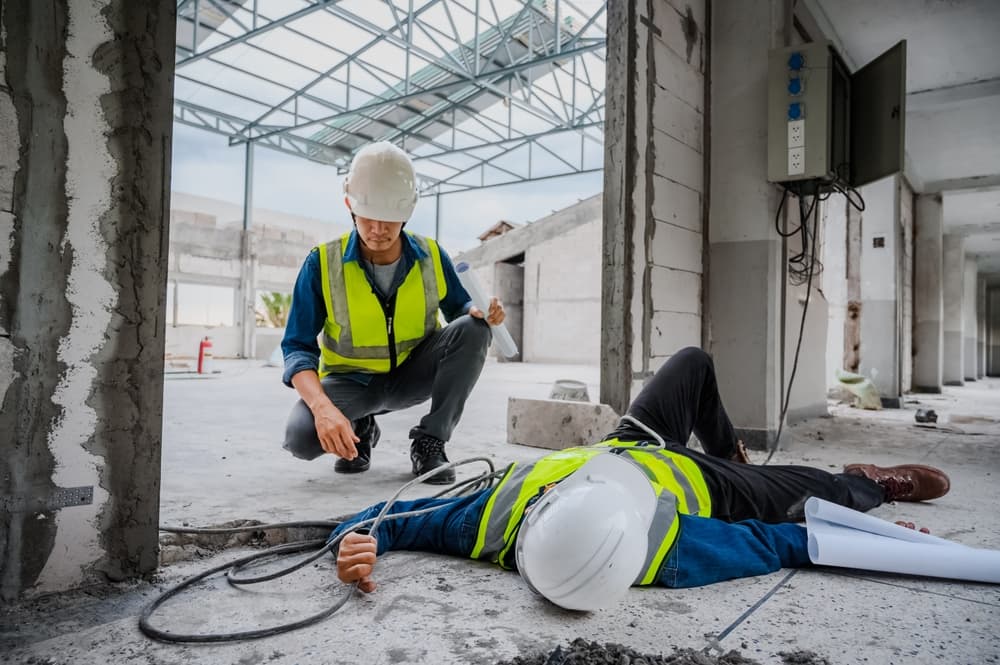
Construction projects throughout Philadelphia, from high-rise developments near Rittenhouse Square to residential renovations in Fishtown, bring workers into close contact with electrical hazards. Knowing how these electrocutions occur on a construction site can indicate that someone else's negligence may have contributed to the accident.
Contact with overhead power lines
Power line contact is one of the most common causes of fatal electrocution on construction sites. Workers operating cranes, scaffolding, or aerial lifts may accidentally touch overhead lines carrying thousands of volts. Metal ladders, pipes, and other construction equipment and materials may conduct electricity if they contact live wires.
Exposed or damaged wiring
Temporary electrical systems on construction sites are often installed quickly and may not meet safety standards. Exposed wires, damaged insulation, and improperly grounded equipment create serious risks, especially in wet conditions.
Defective tools and equipment
Power tools with frayed cords, missing ground prongs, or internal faults may expose workers to dangerous currents. When manufacturers produce defective equipment or employers fail to maintain tools, workers pay the price.
Missing ground-fault protection
Ground-fault circuit interrupters (GFCIs) shut off power instantly when an electrical fault occurs. OSHA requires GFCIs on construction sites, but many employers fail to install them. This failure leaves workers vulnerable to shocks that proper equipment would have prevented.
Wet conditions and standing water
Water conducts electricity. Construction sites often have puddles, damp concrete, or wet conditions from rain. When workers use electrical equipment in these environments without proper protection, the risk of serious shock increases.
Types of Injuries Caused by Electrical Accidents
Electrical injuries affect the body in ways that are not always visible. A worker may appear to have only minor burns but suffer severe internal damage requiring months of treatment. Medical professionals classify these injuries by how they occur and what body systems they affect.
Electrocution and cardiac arrest
When electrical current passes through the heart, it may disrupt the organ's natural rhythm and cause cardiac arrest. Even relatively low voltage may trigger ventricular fibrillation. Without immediate treatment, this is often fatal.
Electrical burns
Electrical burns differ from typical thermal burns. The current generates heat as it passes through tissue, damaging skin, muscle, nerves, and bone. Entry and exit wounds may appear small while internal damage is extensive. Victims often require multiple surgeries and skin grafts.
Nerve and neurological damage
The nervous system runs on electrical signals, making it highly vulnerable to electrical injury. Workers may experience chronic pain, numbness, memory problems, and coordination issues. Some neurological symptoms do not appear until weeks after the initial shock.
Internal organ damage
Electrical current may harm internal organs even when external injuries seem minor. The heart, kidneys, and lungs are particularly vulnerable. Muscle damage may release proteins that harm the kidneys, a condition called rhabdomyolysis.
Falls and secondary trauma
Electrical shock often causes violent muscle contractions that throw workers from ladders, scaffolds, or elevated platforms. The resulting falls may cause traumatic brain injuries, spinal cord damage, and broken bones that compound the original electrical injury.
Financial Toxicity: The Hidden Cost of Serious Injuries
After a serious injury, financial pressure can slow your healing just as much as physical pain. Research shows that securing fair compensation is not just about money. It also directly affects your ability to recover and move forward with your life.
A study published in the Journal of Trauma and Acute Care Surgery followed 500 patients for one year after serious injuries. The findings underscore why injured workers need strong legal representation:
- 88% experienced financial toxicity during the year following their injury.
- 64% reported reduced income.
- 58% faced unemployment.
- 85% experienced stress due to financial burden.
- Patients facing financial strain had worse physical and emotional outcomes, including higher rates of depression.
- Financial stress during recovery made it harder for patients to heal and return to normal life.
The good news: these outcomes are not inevitable. An experienced construction accident lawyer helps you pursue compensation for medical expenses, lost wages, and future earning capacity.
When you have the resources to cover your bills and support your family, you are in a stronger position to heal. Taking legal action is not just about holding negligent parties accountable; it is about protecting your health, your future, and your peace of mind.
Who May Be Liable for a Construction Electrocution in Philadelphia?
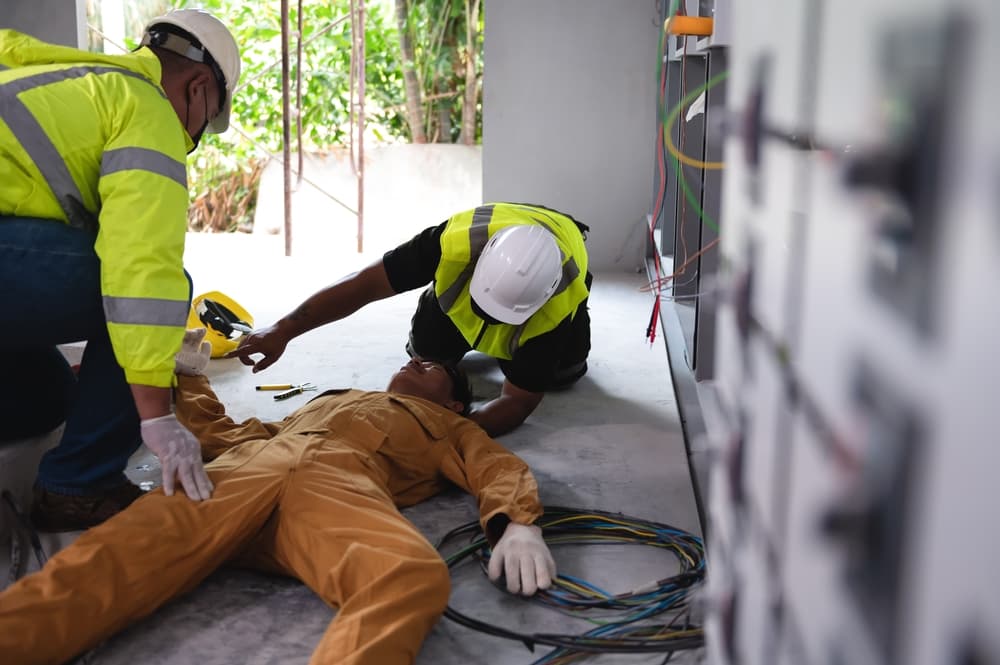
When a construction worker is electrocuted on the job, multiple parties may share responsibility. While workers' compensation provides benefits regardless of fault, a third-party liability claim allows injured workers to pursue additional compensation from negligent parties other than their employer. The following parties are often held accountable:
- General contractors who failed to maintain safe working conditions or coordinate safety between subcontractors.
- Subcontractors whose negligent work created electrical hazards for other workers.
- Property owners who knew about dangerous electrical conditions and failed to address them.
- Equipment manufacturers who produced defective power tools or safety devices.
- Utility companies that failed to de-energize power lines or mark their location.
A successful third-party claim may recover compensation for pain and suffering, full lost wages, and future medical expenses not covered by workers' compensation.
Workers' Compensation vs. Third-Party Claims in Pennsylvania
Pennsylvania law provides two potential paths to compensation after a construction site electrocution. Many workers qualify for both, and pursuing them together often results in a more complete financial recovery.
How workers' compensation works
Workers' compensation is a no-fault system, meaning you receive benefits regardless of who caused the accident. It covers medical expenses and provides partial wage replacement. However, it does not provide full wage loss replacement or compensate for pain and suffering. In short, it protects both you and your employer, but it still leaves many seriously injured construction workers and their families in financial hardship.
Construction workers injured in a Philadelphia construction accident often have additional sources of compensation available to them. Other parties beyond their employer who may have caused or contributed to the accident may be held liable with a third-party claim.
When third-party claims apply
If someone other than your employer caused your injury, you may file a personal injury lawsuit against that third party. A defective tool, a subcontractor's unsafe practices, or a property owner's failure to address known hazards may all give rise to third-party claims. You may pursue both workers' compensation and a third-party lawsuit at the same time.
Compensation Available After an Electrocution Injury
The full cost of an electrocution injury extends far beyond initial hospital bills. Workers who suffer serious electrical injuries often face years of medical treatment and lost income. Through workers' compensation and third-party claims combined, injured construction workers in Pennsylvania may recover damages for:
- Medical expenses: Emergency care, hospitalization, surgeries, burn treatment, physical therapy, and ongoing rehabilitation.
- Lost wages: Income lost during recovery and, if you cannot return to your previous work, reduced future earning capacity.
- Pain and suffering: Physical pain, emotional distress, and loss of enjoyment of life (available through third-party claims only).
- Permanent disability: Additional compensation if your injuries result in lasting impairment.
- Wrongful death: If a loved one died from an electrocution injury, surviving family members may pursue a wrongful death claim.
OSHA Regulations and Employer Responsibilities
Federal and state safety regulations require employers to protect construction workers from electrical hazards. When employers violate these rules, injured workers have stronger legal grounds for compensation. The Occupational Safety and Health Administration (OSHA) sets detailed standards for electrical safety on construction sites.
Required safety measures
OSHA regulations require employers to de-energize electrical equipment before maintenance, use lockout/tagout procedures, and maintain safe distances from overhead power lines. Employers must also provide ground-fault circuit interrupters on all temporary power sources.
Training requirements
Employers must train workers to recognize electrical hazards and follow safe work practices. Only qualified workers should perform electrical tasks, and all employees should know how to respond if a coworker is shocked.
Violation as evidence of negligence
When an employer violates OSHA safety standards and a worker is injured, the violation serves as strong evidence of negligence. An attorney experienced in construction accident claims may use OSHA citations to build your case.
Steps to Take After a Construction Site Electrocution
If you have already received emergency care or are undergoing treatment for an electrical injury, you have taken the most important first step. But there are other actions you should take to protect your legal rights and strengthen any future claim for compensation.
- Report the injury to your employer. Pennsylvania law requires you to report a work injury within 120 days. Do this in writing and keep a copy for your records.
- Hire a personal injury attorney. An experienced lawyer can begin investigating immediately, preserve critical evidence before it disappears, identify all responsible parties, and handle communications with insurance companies so you can focus on recovery. The sooner you have legal representation, the stronger your position.
- Keep all medical appointments and follow your treatment plan. Gaps in treatment can hurt your claim. Insurance companies may argue that missed appointments mean your injuries are not as serious as you say. Consistent medical care creates a clear record linking your injuries to the accident.
- Document your experience. Keep a written or video journal describing your pain levels, limitations, emotional struggles, and how the injury affects your daily life. This personal record can be powerful evidence of your pain and suffering and the true impact of your injuries on your life.
- Preserve physical evidence. If defective equipment caused your injury, do not let it be discarded or repaired. Take photographs of the accident scene, your injuries, and any equipment involved. Collect contact information from witnesses.
Building a strong claim starts with the steps you take today. An attorney can guide you through this process, helping you avoid costly mistakes and positioning you to pursue the full compensation you need to move forward.
Pennsylvania's Deadline for Filing a Claim

Pennsylvania law sets strict time limits for pursuing compensation. For third-party personal injury claims, the statute of limitations is two years from the date of injury. For wrongful death claims, families have two years from the date of death. Workers' compensation claims have different deadlines, but you must report your injury within 120 days. Evidence disappears quickly on active construction sites, so starting the legal process early helps preserve what you need.
Common Questions About Philadelphia Construction Site Electrocution Injuries
Can I sue my employer for an electrocution injury?
No, not usually. In most cases, Pennsylvania's workers' compensation system prevents you from suing your employer directly. However, you may file a third-party lawsuit against equipment manufacturers, subcontractors, or property owners whose negligence contributed to your injury. These claims often provide more compensation than workers' compensation alone.
What if I was partly at fault for the accident?
Pennsylvania follows a modified comparative negligence rule. You may still recover compensation as long as you were less than 51% responsible for the accident. Your damages will be reduced by your percentage of fault. Insurance companies often exploit this rule to reduce their liability by blaming the injured worker for the accident. An experienced Philadelphia personal injury lawyer can fight those tactics and maximize your compensation even if you are found partially at fault.
How long do I have to file a claim after an electrocution injury?
The statute of limitations for personal injury claims in Pennsylvania is two years from the date of injury. For wrongful death claims, families have two years from the date of death. Consulting an attorney promptly helps protect your rights.
What compensation is available if a family member died from electrocution?
Surviving family members may file a wrongful death claim to recover funeral expenses, loss of the deceased's future income, and loss of companionship. Pennsylvania law designates who may bring these claims, typically the surviving spouse, children, or parents.
Making the Law Work for Injured Philadelphia Construction Workers

After a serious electrical injury, you may have the right to hold additional negligent parties accountable and pursue the compensation you need to recover and rebuild. At the Oakes Firm, our Philadelphia construction accident lawyers put you back in control of your future. We handle the legal process, deal with insurance companies, and fight on your behalf while you focus on recovery.
Give your case the legal authority and leverage to succeed. Call the Oakes Firm or contact us online for a free consultation today.