Workplace accidents involving defective tools and machinery can leave lasting consequences for injured employees and their families. When injuries from faulty equipment in Pennsylvania workplaces occur, the physical harm is often only the beginning. Medical bills start piling up, paychecks stop coming in, and recovery becomes a full-time effort.
Many injured workers want to hold negligent companies, manufacturers, or maintenance providers responsible for the damage caused by unsafe equipment. With skilled legal representation, employees can pursue accountability and seek financial recovery for the losses tied to their injury. A Pennsylvania workplace accident attorney can review your case and help you understand your options through a free consultation.
Schedule A Free Case Consultation
Key Takeaways: Faulty Equipment Injury Claims in PA
- Employers have a legal duty under Pennsylvania law to provide safe, properly maintained equipment
- Third-party manufacturers and equipment providers can be held liable for defective products that cause workplace injuries
- Pennsylvania follows a modified comparative negligence rule, allowing recovery if you're less than 51% at fault
- You may pursue compensation through product liability or negligence claims against parties other than your employer
- Equipment-related injuries can result in significant damages including medical expenses, lost wages, and pain and suffering
What Types of Faulty Equipment Cause Workplace Injuries in Pennsylvania?
Faulty equipment injuries occur across many industries, from construction to manufacturing and warehousing. In places like South Philadelphia’s industrial corridors or along the Delaware River waterfront, heavy machinery and power tools are used every day. When these tools fail, workers face serious risks.
Manufacturing Equipment Defects
Manufacturing facilities across areas like Allentown and Pittsburgh rely on heavy machinery for production. Problems arise when:
- Machinery has design flaws: Poorly engineered machines can create pinch points or crush hazards.
- Improperly assembled equipment: A single assembly mistake can cause a press, drill, or conveyor to malfunction.
- Missing or inadequate safety guards: Guards prevent contact with moving parts; when missing, severe lacerations and amputations can result.
Construction Equipment Failures
Construction sites in places like Philadelphia’s Fishtown neighborhood or Erie’s waterfront area depend on tools and heavy equipment that must function safely.
- Scaffolding collapses: Weak welds or improper setup can send workers falling multiple stories.
- Defective power tools: Faulty electrical systems in drills, saws, or nail guns can cause electric shocks or explosions.
- Malfunctioning heavy machinery: Cranes, bulldozers, and forklifts can injure operators and bystanders when controls fail or brakes malfunction.
Defective Personal Protective Equipment
Protective gear must perform under stress. When it fails, the consequences are severe.
- Faulty safety harnesses and fall protection: Defective stitching or buckle failure can cause catastrophic falls.
- Inadequate respiratory equipment: Poorly sealed masks or defective filters expose workers to toxic fumes in industrial zones such as Chester or Reading.
- Defective protective eyewear and helmets: Cheap materials or shoddy design can make gear ineffective against flying debris or falling objects.
Industrial Equipment Malfunctions
Industrial hubs like Scranton and Bethlehem see frequent use of automated and mechanical systems that demand regular maintenance.
- Conveyor belt failures: Defective motors or alignment issues can pull workers into moving parts.
- Forklift defects: Steering or hydraulic problems lead to crushing accidents or rollovers.
- Warehouse equipment breakdowns: Malfunctioning lifts and pallet jacks often cause back injuries or fractures.
Who Can Be Held Liable for Faulty Equipment Injuries in Pennsylvania?
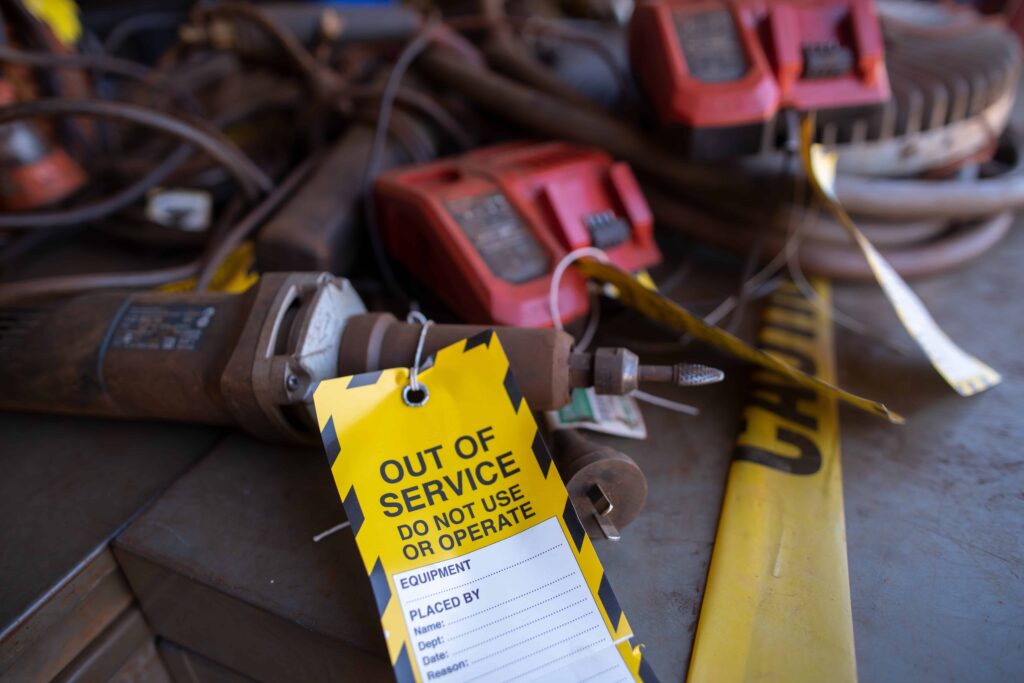
Liability for defective equipment doesn’t always rest with one party. Multiple entities may share fault depending on who designed, built, maintained, or supplied the equipment involved.
Equipment Manufacturers
Manufacturers play a central role in product safety and can face liability through Pennsylvania product liability law.
- Product liability claims under Pennsylvania law: Workers injured by defective products can hold manufacturers responsible under strict liability principles.
- Design defect liability: Poor design that makes equipment unsafe, even when properly made, creates liability.
- Manufacturing defect claims: Errors during production that render equipment dangerous establish fault.
- Failure to warn obligations: Manufacturers must provide clear safety warnings and instructions for proper use.
Equipment Distributors and Suppliers
Distributors and suppliers in the chain of distribution can also bear responsibility.
- Strict liability in the chain of distribution: Any business that sold or supplied defective equipment may share liability.
- Breach of warranty claims: When a product fails to perform as promised or advertised, a warranty breach may apply.
- Negligent distribution practices: Selling outdated, recalled, or improperly tested products can create legal exposure.
Maintenance and Repair Companies
Third-party maintenance companies frequently handle machinery repairs in facilities around places like Lancaster or Altoona.
- Third-party maintenance provider negligence: A contractor who performs careless maintenance can be liable for resulting injuries.
- Improper repair work: Incorrectly replaced parts or skipped safety checks often lead to accidents.
- Failure to identify hazards: Ignoring visible wear, electrical defects, or hydraulic leaks puts workers in harm’s way.
Property Owners and General Contractors
Owners and general contractors control much of what happens on Pennsylvania construction sites.
- Premises liability on construction sites: Unsafe premises or defective equipment left in operation may make property owners liable.
- Negligent selection of equipment or subcontractors: Hiring unqualified vendors or using outdated machinery creates unnecessary risk.
- Failure to maintain safe work environments: Contractors who disregard maintenance schedules or ignore malfunction reports can face legal consequences.
What Laws Govern Faulty Equipment Injury Claims in Pennsylvania?
Faulty equipment claims depend on several overlapping legal principles. Each establishes how liability and damages are determined.
Pennsylvania Product Liability Law
Section 402A of the Restatement (Second) of Torts holds manufacturers and sellers responsible for defective products placed into commerce. Pennsylvania applies strict liability, which means an injured worker doesn’t need to prove the company acted carelessly. Instead, they must show the product was defective and that defect caused the injury.
Pennsylvania Negligence Law
Negligence occurs when a party fails to use reasonable care. In faulty equipment cases, that might involve skipping maintenance or using outdated machinery. Pennsylvania follows a modified comparative negligence rule, which limits recovery if the injured person bears 51% or more of the blame.
OSHA Requirements and Pennsylvania Regulations
The Occupational Safety and Health Administration (OSHA) and the Pennsylvania Occupational Safety and Health Act (PAOSHA) set workplace safety standards. Violations of these standards often provide strong evidence of negligence. Employers and contractors must ensure that equipment meets inspection and operational guidelines.
How Do You Prove a Faulty Equipment Injury Claim in Pennsylvania?
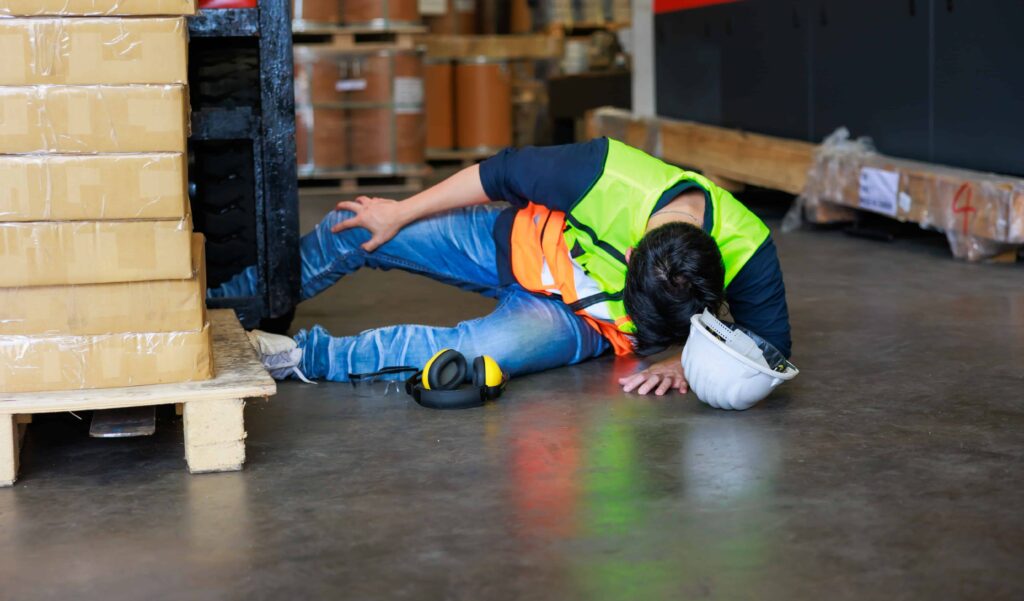
A successful claim requires strong evidence showing that the equipment defect directly caused the injury and that the worker used the tool as intended. An experienced attorney is an invaluable asset as they can help with:
Establishing Defect and Causation
Demonstrating that a machine failed because of a defect rather than user error strengthens your claim.
- Evidence of equipment malfunction: Photos, inspection reports, and witness statements document how the failure occurred.
- Expert testimony requirements: Engineers and safety specialists can explain technical details about design or assembly errors.
- Documentation of the defect: Maintenance records and prior complaints about the same machine show repeated issues.
Demonstrating Proper Use
Defendants sometimes claim workers misused equipment to shift blame.
- Following manufacturer instructions: Showing that you followed operational guidelines refutes misuse allegations.
- Showing you weren’t misusing equipment: Testimony from coworkers or supervisors supports your version of events.
- Overcoming comparative negligence defenses: Proving responsible behavior helps prevent insurers from reducing your recovery.
Proving Damages
Workers need medical records, wage statements, and treatment plans to show the extent of harm. Pain, reduced mobility, and the inability to return to work contribute to the damages sought in court or settlement discussions.
What Compensation Can You Recover for Faulty Equipment Injuries?
Workers hurt by defective tools or machines may recover financial damages based on their losses.
Economic Damages
Economic losses include medical bills, rehabilitation costs, and future treatment expenses. Lost income and reduced earning ability often make up a large portion of these damages. If personal property, such as tools or personal equipment, was damaged during the incident, those costs may also be included.
Non-Economic Damages
These damages account for pain, discomfort, and reduced enjoyment of life. Someone unable to participate in family activities or hobbies because of an injury might claim non-economic losses to reflect those impacts.
Punitive Damages in Egregious Cases
When a manufacturer or company acts with reckless disregard for safety, Pennsylvania courts may allow punitive damages. These aim to punish misconduct and deter similar actions. For example, a company that knowingly sells defective scaffolding may face punitive awards.
What Is the Statute of Limitations for Equipment Injury Claims in Pennsylvania?

Pennsylvania law gives injured individuals two years from the date of injury to file a personal injury lawsuit. If the injury wasn’t discovered right away, the discovery rule may extend the statute of limitation to begin when the harm became known. Acting promptly helps preserve evidence and strengthens the case.
Special Considerations for Product Liability Claims
Product liability claims also carry a two-year limit, but the timing depends on when the injury occurred or when the defect was discovered. Workers should store the equipment safely after the accident and avoid repairs or disposal. Preserving the product allows investigators to analyze it for defects before time runs out.
How The Oakes Firm Can Help
Holding negligent companies accountable requires detailed investigation and a thorough understanding of Pennsylvania’s liability laws. Our legal team at The Oakes Firm works to protect injured workers and their families through every step of the process.
Thorough Investigation of Your Case
Our team identifies every potentially responsible party, from manufacturers to maintenance contractors. We secure the defective equipment, gather reports, and consult safety engineers to determine what went wrong.
Building a Strong Liability Case
We collect photographs, witness statements, inspection records, and purchase histories to establish fault. When a company ignores OSHA or industry standards, we use that evidence to strengthen your claim.
Maximizing Your Compensation
We evaluate every loss related to your injury, from ongoing treatment costs to the impact on your household. Our attorneys negotiate with insurers and defendants to reach fair settlements and take cases to trial when responsible parties refuse to cooperate.
Navigating Pennsylvania's Legal System
We handle the paperwork, deadlines, and court filings required to move your case forward. Our attorneys understand how comparative negligence and procedural rules affect your recovery and guide you through each step efficiently.
Frequently Asked Questions About Faulty Equipment Work Injury Claims
Can I sue my employer for injuries from faulty equipment?
Under Pennsylvania law, most employees can’t sue their employer directly because of the workers’ compensation system. However, you can bring claims against third parties, such as equipment manufacturers, distributors, or maintenance providers, whose negligence caused your injury.
What if I was partially at fault for my equipment injury?
Pennsylvania follows a 51% modified comparative negligence rule. You can recover damages if you were less than 51% responsible for the incident. Your recovery amount decreases in proportion to your level of fault.
How long does a faulty equipment injury case take in Pennsylvania?
Timelines vary depending on the complexity of the case, the number of defendants, and the willingness of insurance companies to settle. Some cases resolve within months, while others may take longer if expert evaluations or extensive discovery are required.
What if the equipment was old but not technically defective?
Age alone doesn’t excuse poor maintenance. Employers must inspect and service old equipment to ensure it remains safe. Failure to repair or replace worn-out parts can count as negligence under Pennsylvania law.
Can I still file a claim if the equipment manufacturer is located outside Pennsylvania?
Yes. Pennsylvania’s long-arm statute allows courts to hear cases against out-of-state companies if their products caused harm within the state. This means injured workers in areas like Allentown or Scranton can hold distant manufacturers accountable for defective tools or machinery.
Contact Our Faulty Equipment Accident Attorneys in Pennsylvania Now
Faulty equipment injuries require quick action to preserve your rights and evidence. Delays can make it harder to prove what caused the accident or who’s responsible. The Oakes Firm represents workers throughout Pennsylvania who’ve suffered because of unsafe tools, machinery, or protective gear.
Our attorneys can review your situation, explain your options, and help you take the next steps toward financial recovery. Contact us today for a free, no-obligation consultation.