The intoxicated driver who hit you made a choice. They knew the risks, ignored them, and got behind the wheel anyway. That decision separates your crash from most other car accidents in Philadelphia because Pennsylvania law, which sets the legal limit for a driver's blood alcohol concentration (BAC) at 0.08%, holds impaired drivers to a different standard.
If a drunk driver hit and injured you or a loved one, you may be entitled to punitive damages for gross negligence or reckless disregard on top of compensation for your medical bills, lost income, and pain. And if a bar or restaurant served alcohol to someone who was already visibly drunk, they may share responsibility for what happened to you.
A Philadelphia drunk driving accident lawyer identifies every party that contributed to your crash and fights to make sure each one is held accountable to you. You have legal options that go far beyond a standard accident claim, and the right attorney puts those options to work for you.
Schedule A Free Case Consultation
Key Takeaways for Drunk Driving Accident Victims
- Alcohol-related crashes account for a small fraction of Pennsylvania accidents but cause a disproportionately high share of traffic fatalities.
- Victims may recover compensation for medical expenses, lost wages, pain and suffering, and, in many cases, punitive damages.
- Pennsylvania's dram shop law may allow you to hold a bar or restaurant accountable if they served alcohol to a visibly intoxicated driver.
- The criminal case against the drunk driver is separate from your civil claim, and a DUI conviction does not automatically guarantee compensation.
- Taking quick legal action helps preserve evidence, protects your right to file within Pennsylvania's two-year statute of limitations, and strengthens your position during settlement negotiations.
Why Drunk Driving Crashes Are More Likely to Cause Serious Injuries
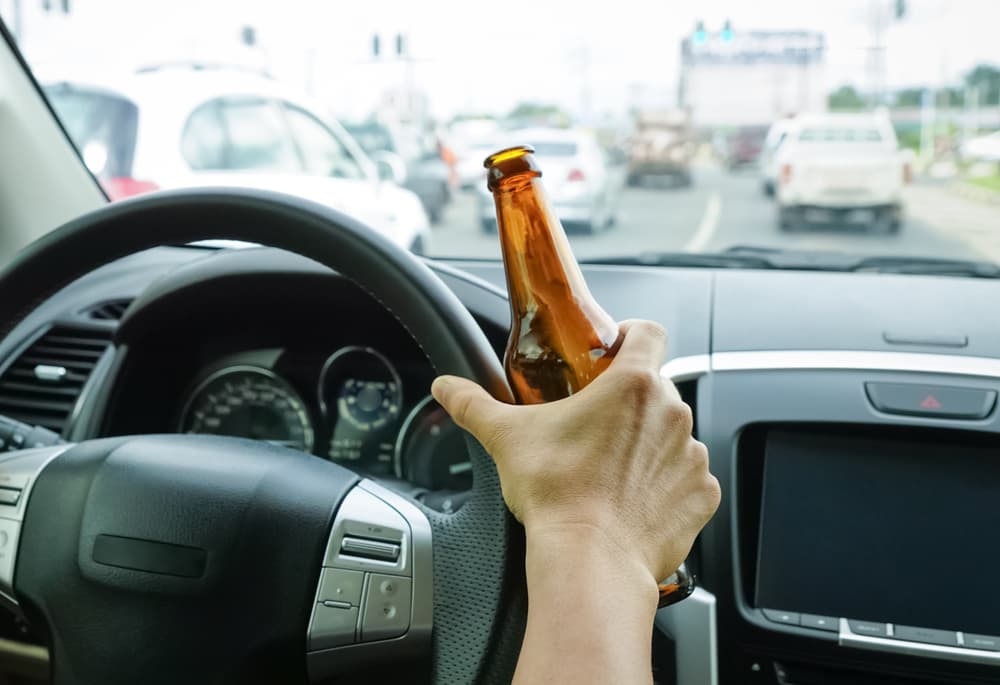
Alcohol impairs judgment, slows reaction time, and reduces coordination. According to the National Highway Traffic Safety Administration (NHTSA), about 30% of all U.S. traffic fatalities involve drunk drivers with a blood alcohol concentration (BAC) of .08 g/dL or higher. In one recent year alone, roughly 12,400 people died in alcohol-impaired crashes nationally, averaging one death every 42 minutes.
Victims of drunk driving crashes often sustain catastrophic injuries because impaired drivers fail to brake, swerve, or react appropriately before impact.
Drunk Driving in Philadelphia: A Persistent Problem
Philadelphia consistently ranks among Pennsylvania's most dangerous urban areas for alcohol-related crashes. In one recent year, impaired drivers killed two dozen people in Philadelphia County alone, and the city remains one of five counties responsible for more than a quarter of all alcohol-related traffic deaths statewide.
The numbers across Pennsylvania are equally sobering. According to the data provided by the Pennsylvania DUI Association, Alcohol-related crashes account for only about 7-8% of all collisions, yet they cause nearly 30% of traffic fatalities. In one recent year, impaired drivers were involved in more than 8,600 crashes statewide, killing over 390 people and injuring thousands more. On an average day, Pennsylvania sees roughly 24 alcohol-related crashes, 15 injury victims, and nearly one fatality.
In Philadelphia, drunk driving crashes often happen on busy corridors like Roosevelt Boulevard and Broad Street, near entertainment districts in Center City and Fishtown, and along I-76 and I-95, where late-night drivers head home from bars and restaurants. Victims are rushed to trauma centers at Penn Medicine, Jefferson Hospital, and Temple University Hospital, often with injuries far more severe than typical car accidents produce.
Common injuries in drunk driving collisions
Drunk drivers frequently travel at excessive speeds and fail to take evasive action, resulting in high-impact collisions. Victims often suffer:
- Traumatic brain injuries and concussions
- Spinal cord damage and paralysis
- Multiple bone fractures, including the pelvis, ribs, and extremities
- Internal organ damage and internal bleeding
- Severe lacerations, burns, and soft tissue injuries
These injuries frequently require emergency surgery, extended hospital stays, and extensive physical rehabilitation. Many victims suffer life-altering, permanent consequences.
Your Drunk Driving Accident Civil Claim vs. the Criminal Case
After a drunk driving crash, authorities may charge the at-fault driver with driving under the influence (DUI) under Pennsylvania law. The criminal process focuses on holding the driver accountable to the state through fines, license suspension, or jail time. Your civil claim is a separate legal action designed to compensate you for your losses.
A DUI arrest or conviction may help your personal injury case by establishing that the driver was impaired. However, you still need to prove that the impairment caused the crash and your resulting injuries. An experienced attorney builds this connection through police reports, toxicology results, witness statements, accident reconstruction analysis, and medical records.
How the criminal case affects your civil claim
The outcome of the criminal case does not determine your compensation. Even if the driver pleads guilty or is convicted of DUI, you must still pursue a separate civil claim to recover damages. Conversely, if charges are dropped or reduced, you may still have a viable personal injury case.
Evidence from the criminal investigation, such as BAC test results and police dashcam footage, often becomes valuable in your civil claim. Your attorney may subpoena these records to strengthen your case.
Compensation Available After a Drunk Driving Accident
Pennsylvania allows victims of drunk driving crashes to pursue both compensatory and punitive damages.
Economic damages
These cover your measurable financial losses:
- Past and future medical expenses, including surgery, hospitalization, physical therapy, and prescription medications
- Lost wages from missed work during recovery
- Diminished earning capacity if your injuries limit your ability to work
- Property damage, including vehicle repair or replacement costs
Non-economic damages
These address losses that are harder to quantify but no less real:
- Physical pain and suffering
- Emotional distress, anxiety, and depression
- Loss of enjoyment of life
- Permanent scarring or disfigurement
Punitive damages in drunk driving cases
Unlike most car accident claims, drunk driving cases often qualify for punitive damages under Pennsylvania law. Courts award punitive damages to punish defendants for particularly reckless or egregious conduct, not simply to compensate victims.
Driving while intoxicated demonstrates a wanton disregard for the safety of others, which meets the legal threshold for punitive damages. While Pennsylvania places caps on punitive damages in medical malpractice cases, no such cap exists for drunk driving accidents. This means that, depending on the facts of your case, punitive damages may substantially increase your total recovery.
Your attorney evaluates whether punitive damages apply and gathers the evidence needed to support this claim, including the driver's BAC level, any prior DUI history, and whether the driver displayed extreme recklessness.
Holding a Bar or Restaurant Accountable Under Pennsylvania's Dram Shop Law
The drunk driver who hit you may not be the only party responsible for your injuries. Pennsylvania's dram shop law allows victims to pursue civil claims against bars, restaurants, nightclubs, and other licensed establishments that served alcohol to a visibly intoxicated person who later caused a crash.
When dram shop liability applies
To hold an establishment accountable, your attorney must demonstrate two things. First, the bar or restaurant served alcohol to someone who was visibly intoxicated at the time. Second, that service directly contributed to the accident and your injuries.
Visible intoxication includes obvious signs that a reasonable server would recognize:
- Slurred or incoherent speech
- Difficulty standing or walking without support
- Glassy or bloodshot eyes
- Aggressive or erratic behavior
- Fumbling with money or dropping items
A high BAC reading alone does not automatically prove visible intoxication. Your attorney gathers additional evidence, such as witness testimony from other patrons, surveillance footage from the establishment, credit card receipts showing the volume of drinks purchased, and statements from servers or bartenders.
Dram shop claims provide additional avenues of compensation
Drunk drivers often lack sufficient insurance coverage to compensate victims for catastrophic injuries. When medical bills, lost wages, and pain and suffering add up to hundreds of thousands of dollars, the driver's policy limits may fall far short. A dram shop claim opens another avenue for recovery by targeting a business with commercial liability insurance and greater financial resources.
If you were hit by an uninsured drunk driver, a dram shop claim may be your primary path to meaningful compensation. Acting quickly is essential because bars often delete surveillance footage within days, and witness memories fade over time.
Steps to Protect Your Claim After a Drunk Driving Crash
If you've already received emergency medical care, you've taken the most important step. Now, a few key actions in the coming weeks will help protect your legal claim and strengthen your position for compensation.
Hire a drunk driving accident lawyer
An attorney gathers critical evidence immediately, including police reports, toxicology results, and surveillance footage that bars and businesses may delete within days. Your lawyer also handles insurance adjusters who contact victims soon after the accident, hoping to secure quick, lowball settlements before injuries are fully understood.
Keep all medical appointments
Insurance adjusters look for gaps in treatment. Missed appointments or delayed therapy sessions give them ammunition to argue your injuries aren't serious. Consistent care creates a documented record linking your injuries directly to the crash.
Document your recovery in a journal
A written or video journal captures daily pain levels, mobility limitations, and how injuries affect your work and family life. This real-time documentation becomes powerful evidence when calculating pain and suffering damages.
Preserve evidence and stay off social media
Keep damaged clothing, photograph your injuries as they heal, and avoid posting anything online about your accident or recovery. Insurance investigators search social media for content they can use to minimize your claim.
These steps build a stronger foundation for pursuing full compensation after a drunk driving collision in Philadelphia.
What Is the Deadline for a Drunk Driving Accident Claim in Pennsylvania?
Pennsylvania’s statute of limitations gives you two years from the date of the accident to file a personal injury lawsuit. For families who have lost a loved one to a drunk driver, the grief can make it difficult to think about legal deadlines, but the same two-year window applies to wrongful death claims.
Exceptions exist that could affect your case, so consult a drunk driving accident attorney as soon as possible. Missing the deadline almost always means losing your right to compensation, which is why early legal guidance matters.
Can Pennsylvania’s Comparative Fault Rule Reduce My Compensation?
Insurance adjusters sometimes argue that the victim shares fault, perhaps by claiming you were speeding or failed to react quickly enough. Pennsylvania follows a modified comparative negligence rule. You may still recover compensation as long as you are less than 51% at fault, though your total award is reduced by your percentage of responsibility.
An attorney challenges unfair blame by gathering evidence that demonstrates the drunk driver's impairment caused the crash. Police reports showing the driver's elevated BAC, toxicology results, and accident reconstruction analysis often counter attempts to shift responsibility onto the victim.
Top Legal Questions About Drunk Driving Accident Cases in Philadelphia
How long does a drunk driving accident claim take to resolve?
The timeline depends on several factors, including the severity of your injuries, how many parties are involved, and whether the insurance company disputes liability. Some claims settle within weeks, while others take longer. Your attorney can give you a clearer idea of the timeline based on the specifics of your case.
What if the drunk driver had no insurance?
If the drunk driver lacks insurance, you may file a claim under your own uninsured motorist (UM) coverage as long as you didn’t reject it in writing when purchasing your insurance. Pennsylvania requires a minimum of $15,000 per person and $30,000 per accident in UM coverage, though many drivers can choose to carry higher limits. A dram shop claim against a bar or restaurant may also provide an additional source of recovery.
Does a DUI conviction guarantee I will receive compensation?
No. A DUI conviction establishes that the driver violated criminal law, but it does not automatically prove liability in your civil case. You must still demonstrate that the driver's impairment caused the crash and your injuries. However, a conviction strengthens your claim and may be introduced as evidence.
How much does a drunk driving accident lawyer cost?
The Oakes Firm works on a contingency fee basis, which means you pay nothing upfront and owe no legal fees unless your case results in a recovery. This arrangement allows you to pursue your claim without financial risk while your attorney handles the investigation, negotiations, and litigation.
What damages may I recover for emotional trauma?
Pennsylvania allows victims to seek non-economic damages for emotional distress, anxiety, depression, and loss of enjoyment of life. These damages account for the psychological toll of the crash, which often persists long after physical injuries heal.
How does Pennsylvania's limited tort law affect my drunk driving claim?
Pennsylvania's Motor Vehicle Financial Responsibility Law (MVFRL) allows drivers to choose between Full Tort and Limited Tort insurance coverage.
If you selected Limited Tort, you may only recover economic damages (medical bills, lost wages) unless your injuries meet a serious injury threshold. However, many courts have ruled that the Limited Tort restriction does not apply in cases against a drunk driver who is convicted of DUI or accelerated rehabilitative disposition (ARD).
A knowledgeable attorney determines how your tort option affects your claim and fights to ensure you recover full compensation.
What is the burden of proof in a civil drunk driving case?
The burden of proof in a civil personal injury case is preponderance of the evidence, which means you must show it is more likely than not that the drunk driver caused your injuries. This is a lower standard than the beyond a reasonable doubt standard required for a criminal DUI conviction.
This difference means you can succeed in a civil claim even if the criminal court acquits or never charges the driver.
What is the legal blood alcohol concentration (BAC) limit in Pennsylvania?
Pennsylvania law sets the legal limit for a driver's blood alcohol concentration (BAC) at 0.08% for most drivers. However, drivers of commercial vehicles face a lower limit of 0.04%, and drivers under the age of 21 face a limit of 0.02%.
Evidence that the driver exceeded the legal limit can consitute compelling evidence in your civil personal injury claim.
Take Control of Your Case with the Oakes Firm

The consequences of a drunk driving accident can last a lifetime, but you have the power to shape what happens next. Taking legal action puts you in the driver's seat and eases your stress, allowing you to pursue the compensation you need to cover medical bills, replace lost income, and focus on your recovery.
The Oakes Firm helps Philadelphia accident victims hold impaired drivers accountable. From investigating the crash and identifying all liable parties to negotiating with insurance companies and preparing for trial if necessary, we handle the legal burdens so you can concentrate on healing and moving forward. Call us today or contact us online for a free consultation to discuss your options.