NJ Transit Bus Accident Attorney
Dealing with the aftermath of a bus accident involving New Jersey Transit can be legally complex and emotionally devastating. Unlike a typical motor vehicle accident, claims involving public transportation systems may involve additional layers of liability, strict notice requirements, government protections, and agency-controlled evidence.
If you or a loved one has been injured in an NJ Transit bus accident, working with an experienced NJ transit bus accident attorney is essential to protect your rights and pursue full compensation.
This guide explains why legal representation matters when you need a public transportation accident lawyer New Jersey residents can trust. It also explains how these accidents happen and what steps you should take after an incident. If you are searching for a reliable bus crash lawyer serving NJ, you can count on The Oakes Firm.
Why Choose Us as Your NJ Transit Bus Accident Attorney?
When a case involves a government-operated transportation system, not every personal injury lawyer is equipped to handle the procedural and liability issues involved. Making the right decision when hiring counsel can significantly affect the outcome of your case. When you need a personal injury lawyer in South Jersey for a serious transit-related injury, turn to The Oakes Firm.
Working with a bus crash lawyer serving NJ from The Oakes Firm gives you access to focused knowledge of government liability issues and experience with transit accident claims. Claims against NJ Transit may be governed by the New Jersey Tort Claims Act, which generally requires a notice of claim within 90 days.
When you work with a public transportation accident lawyer in New Jersey from The Oakes Firm, we help you understand your options based on the facts surrounding the crash. NJ Transit accident claims differ from traditional vehicle accidents because they can involve multiple liable parties, complex insurance structures, and internal investigations conducted by the transit agency itself.
A qualified bus crash lawyer serving NJ will know how to pursue driver records, maintenance documents, route information, inspection materials, and available bus surveillance footage through the appropriate legal process.
Understanding NJ Transit Bus Accidents
Bus accidents involving NJ Transit can happen in many ways and often result in serious injuries due to the size and weight of the vehicle, the number of passengers involved, and the presence of pedestrians, bicyclists, or other vehicles near bus routes and stops.
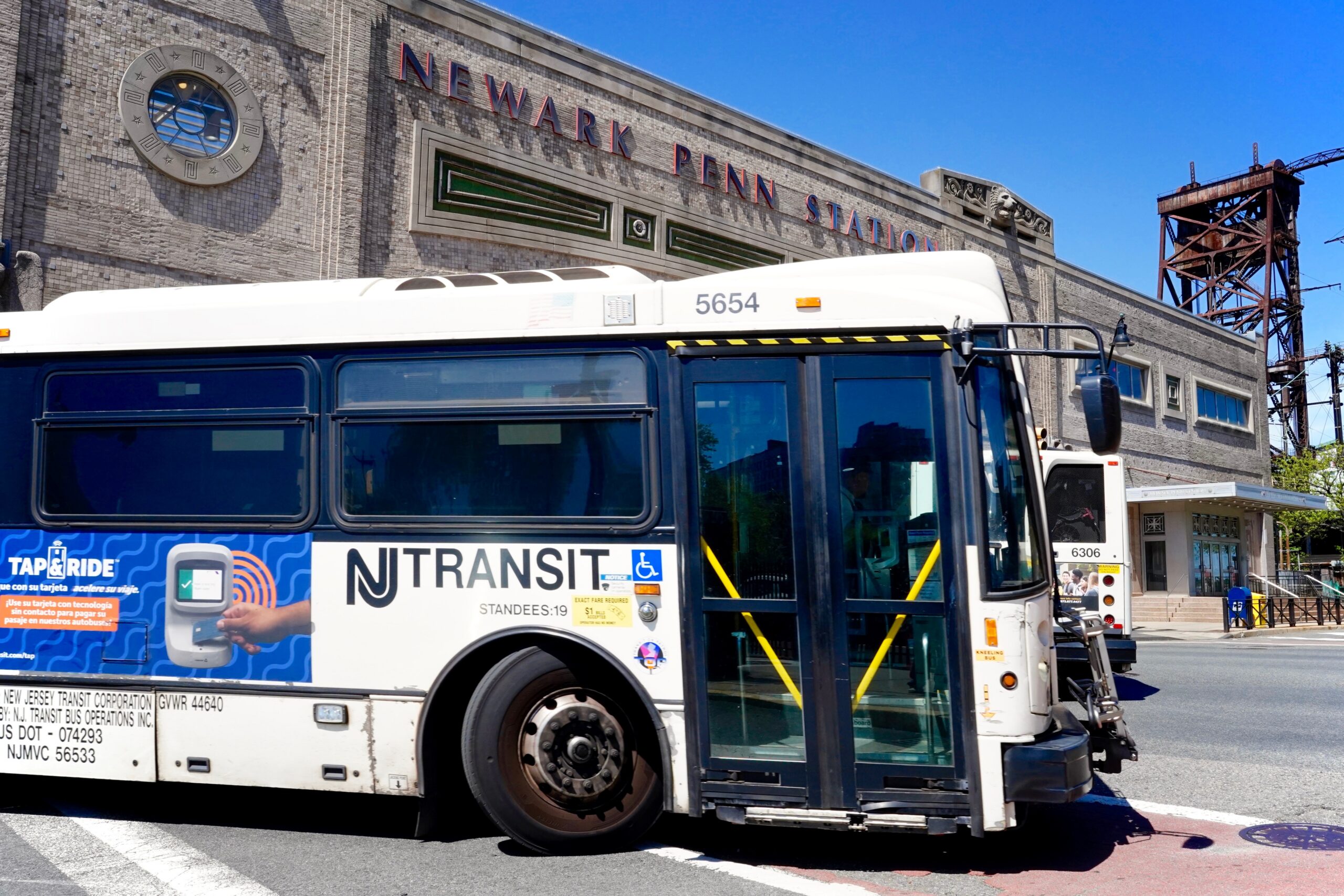
Common types of NJ Transit bus accidents include:
Crashes involving passenger vehicles, buses, or commercial vehicles.
Incidents at bus stops, intersections, sidewalks, or crosswalks.
T-bone collisions, often at intersections.
Passenger injuries caused by abrupt braking or unsafe operation.
Serious crashes that may involve speed, road conditions, or equipment failure.
Bus accident cases are more complex because they involve public safety regulations, driver conduct rules, unionized operators, agency reporting procedures, and a higher passenger capacity that may result in multiple claims from a single incident.
Common causes of NJ Transit bus accidents include:
Long shifts, route pressure, phone use, or inattention can lead to dangerous errors.
Transit agencies must properly train and supervise drivers.
Unsafe speed is especially dangerous given the size of a bus.
Brake, tire, steering, door, or engine problems may point to maintenance failures.
Poorly maintained roadways, weather, or unsafe stops can contribute to a crash.
Unreasonable schedules can encourage unsafe operation.
Identifying Driver Negligence and Equipment Failure
Whether you are working with an NJ Transit bus attorney or a wrongful death lawyer in New Jersey from The Oakes Firm, identifying negligence and cause is essential. Liability may fall on multiple parties depending on the circumstances of the accident. Driver negligence occurs when a bus operator fails to exercise reasonable care while transporting passengers and sharing the road.
Examples of driver negligence may include:
Using a phone, onboard systems, or other distractions while driving.
Driving after long shifts or without adequate rest.
Operating too fast for traffic, weather, road, or passenger conditions.
Failing to yield at intersections, crosswalks, or bus stops.
Unsafe merging or lane movement that puts passengers and other road users at risk.
Operating while impaired by alcohol, drugs, or medication.
The right attorney can help collect evidence to prove negligence, including driver logs, route schedules, witness statements, traffic camera footage, onboard surveillance, and internal agency records.
In some cases, the accident may not be solely the driver’s fault. Mechanical issues can also contribute to an NJ Transit bus accident. Common equipment failures include brake malfunctions, steering defects, tire blowouts, faulty doors or ramps, and engine or transmission problems. Liability may extend to NJ Transit maintenance personnel, third-party repair contractors, or manufacturers of defective parts.
Many NJ Transit cases involve multiple liable parties, including the bus driver, NJ Transit as an employer, other negligent drivers, maintenance providers, and vehicle or parts manufacturers.
How Long Do I Have to Report an Injury Sustained on a PATCO Train or Station?
Unlike a standard car accident, claims against PATCO (the Delaware River Port Authority) require a formal Notice of Claim. Under the New Jersey Tort Claims Act, you typically have only 90 days from the date of the accident to file this notice. Failing to meet this deadline can permanently bar you from recovering compensation.
Steps to Take After an Accident
Before calling a personal injury lawyer in Burlington County after a bus accident, take steps to protect your health and your claim. What you do immediately after an NJ Transit bus accident can affect your ability to recover compensation.
Recommended steps include:
Call emergency services or visit a hospital, even if your symptoms seem manageable at first.
Notify transit personnel and local law enforcement, and make sure an official report is created.
If possible, take photos or videos of the scene, the bus, your injuries, the bus stop or roadway, and witness information.
Do not provide recorded statements or sign releases without legal counsel.
Claims involving New Jersey public entities may require a Notice of Claim within 90 days, so quick action is important.
Contact The Oakes Firm as soon as possible so we can evaluate the case and begin protecting evidence.
If you are seeking compensation for medical costs, lost wages, recovery expenses, or long-term harm after a bus accident, and you need a public transportation accident lawyer in New Jersey, we can help. Contact The Oakes Firm today to schedule your initial consultation.