People who’ve suffered injuries or lost a loved one in a pedestrian accident in Philly often want answers about accountability and how to hold the responsible party legally liable. Understanding who’s at fault in pedestrian accidents in Philadelphia crosswalks helps clarify the next steps for recovery, both physically and financially.
When another person’s negligence caused the accident, an experienced pedestrian accident attorney can pursue the claim and help you seek fair compensation for your losses.
Schedule A Free Case Consultation
Key Takeaways: Determining Fault in Philly Pedestrian Accidents
- Pennsylvania law grants pedestrians the right-of-way in marked and unmarked crosswalks, but both drivers and pedestrians have legal responsibilities to prevent accidents
- Fault in crosswalk accidents depends on multiple factors including traffic signals, crosswalk markings, and whether either party violated Pennsylvania Vehicle Code provisions
- Comparative negligence rules in Pennsylvania allow injured pedestrians to recover damages even if they share partial fault, as long as they are less than 51 percent responsible
- Drivers who fail to yield at crosswalks can face both traffic citations and civil liability for injuries caused to pedestrians
- Evidence such as surveillance footage, witness statements, and police reports plays a crucial role in establishing fault and securing fair compensation
What Are Pennsylvania's Crosswalk Laws?
Pedestrian laws in Pennsylvania set clear expectations for how people and vehicles must behave at intersections and crosswalks. These laws protect pedestrians but also recognize that both parties share the duty to act safely.
Right-of-Way Rules for Marked Crosswalks
Marked crosswalks appear at intersections and midblock locations where traffic control devices are present. In these areas, pedestrians have the legal right-of-way when crossing in accordance with the signal.
Drivers must stop before the crosswalk and allow pedestrians to cross safely. Failure to stop or yield can result in traffic citations and civil liability if injuries occur.
Right-of-Way Rules for Unmarked Crosswalks
Unmarked crosswalks exist at most intersections, even when painted lines aren’t visible. A driver approaching an intersection must still yield to pedestrians crossing on their side of the road.
Many accidents occur when drivers assume no crosswalk exists simply because paint has worn away. Pennsylvania law treats unmarked crosswalks as valid crossing zones.
Driver Obligations Under the Pennsylvania Vehicle Code
Section 3542 of the Pennsylvania Vehicle Code requires drivers to yield to pedestrians in crosswalks and exercise due care to avoid collisions. The law also instructs drivers to give warning when necessary by sounding their horn and to exercise extra caution when children or individuals with disabilities are nearby. Disregarding these duties creates strong evidence of negligence.
Pedestrian Responsibilities at Crosswalks
Pedestrians also have legal duties. They must obey traffic control signals, use crosswalks when available, and avoid suddenly stepping into the path of a close vehicle. Even so, a pedestrian’s mistake doesn’t automatically relieve the driver of responsibility.
Courts and insurance adjusters often analyze the actions of both parties before assigning percentages of fault.
How Do Traffic Signals Impact Fault Determination?

Traffic lights, walk signals, and other controls often determine which party bears responsibility. When these signals are ignored or misinterpreted, fault becomes clearer through evidence and witness accounts.
Pedestrian Signal Compliance
Pedestrian signals direct people when to cross safely. A white “walk” signal permits crossing, while a red “don’t walk” symbol prohibits it. Pedestrians who cross on a proper signal usually hold the right-of-way. If a vehicle strikes someone during this time, the driver likely violated the law.
When pedestrians step off the curb during a flashing or solid “don’t walk” signal, fault may be shared depending on timing and visibility.
Driver Responsibilities at Traffic-Controlled Intersections
At intersections with signals, drivers must remain stopped until pedestrians fully clear their side of the crosswalk. Turning vehicles must yield even when they hold a green light. In busy areas like University City or the intersection of 15th Street and JFK Boulevard, turning traffic poses a major risk to pedestrians.
Drivers who turn without checking for pedestrians entering the crosswalk can bear full liability for resulting injuries.
"Don't Walk" Signal Violations and Liability
If a pedestrian begins crossing after the “don’t walk” symbol activates, insurance companies often claim the pedestrian caused the crash. However, real-world conditions matter. For example, if a pedestrian already entered the crosswalk before the signal changed, the driver must still yield until the person reaches safety.
Traffic camera footage often clarifies these situations.
What Evidence Is Used to Prove Fault?
Proving fault requires clear, detailed evidence. Attorneys and investigators collect multiple forms of documentation to build the claim.
Police Reports and Traffic Citations
Police reports often provide the foundation for establishing liability. Officers note the scene layout, weather conditions, and any traffic violations. When a driver receives a citation for failing to yield or running a red light, that document strengthens the pedestrian’s case.
Surveillance and Traffic Camera Footage
Video evidence can show exactly how the accident happened. Cameras from nearby businesses, SEPTA buses, or city intersections capture many crosswalk crashes in areas like South Street or Germantown Avenue. Footage showing the driver’s movement before and after impact can reveal distraction or reckless driving.
Witness Testimony
People who saw the collision provide valuable details about speed, traffic signals, and pedestrian behavior. Independent witnesses often carry significant weight because they don’t have a financial interest in the outcome.
Accident Reconstruction Analysis
When evidence is limited, reconstruction specialists analyze skid marks, vehicle damage, and impact points to determine speed and direction. Their reports help explain how the crash occurred and whether the driver had time to stop.
Can a Pedestrian Be Partially at Fault and Still Recover Compensation?

Pennsylvania law recognizes that accidents sometimes involve shared blame. Even if a pedestrian contributes to the collision, recovery remains possible under certain conditions.
Understanding Pennsylvania's Modified Comparative Negligence Rule
Pennsylvania follows a modified comparative negligence system. This rule allows injured people to pursue compensation as long as they’re less than 51 percent responsible for the crash. If they share 50 percent or less of the blame, they can still recover damages, but the amount reduces in proportion to their percentage of fault.
Common Scenarios Where Pedestrians Share Liability
Shared fault may arise in cases such as:
- Crossing outside a crosswalk: A pedestrian who crosses midblock might share fault if visibility was limited.
- Crossing against the signal: Entering the roadway during a “don’t walk” phase may reduce recovery but won’t necessarily eliminate it.
- Distracted walking: Using a phone or wearing headphones might affect reaction time and awareness.
Even in these situations, driver negligence often plays the dominant role.
How Shared Fault Affects Compensation
When both parties share blame, insurers and courts adjust the total compensation by the pedestrian’s percentage of responsibility. For example, if a jury awards $100,000 but finds the pedestrian 20 percent at fault, the award becomes $80,000. This approach encourages fairness while still holding negligent drivers accountable.
What Are Common Causes of Crosswalk Accidents in Philadelphia?
Pedestrian accidents rarely happen without cause. Most result from specific, preventable behaviors by drivers.
Distracted Driving
Texting, talking on the phone, or interacting with in-car systems often leads drivers to miss pedestrians stepping into the street. Distracted driving remains one of the leading contributors to crosswalk crashes in areas like Center City where heavy foot traffic combines with constant vehicle movement.
Failure to Yield
Many drivers misjudge a pedestrian’s speed or assume the person will wait. When motorists approach intersections without slowing down, they increase the risk of striking someone in a crosswalk. Failure to yield remains one of the most cited violations in pedestrian accident reports.
Speeding in Crosswalk Zones
Driving too fast reduces a driver’s reaction time and increases stopping distance. Speeding also magnifies injury severity. Neighborhoods like Fishtown and Roxborough see frequent issues with vehicles exceeding posted limits near busy intersections, particularly at night.
Poor Visibility and Weather Conditions
Rain, fog, and low lighting make pedestrians harder to spot. However, drivers still bear responsibility for maintaining control and adjusting speed to match conditions. A motorist who continues at normal speed during heavy rain on Passyunk Avenue may still be liable for hitting a pedestrian they failed to see.
What Damages Can Pedestrian Accident Victims Recover?
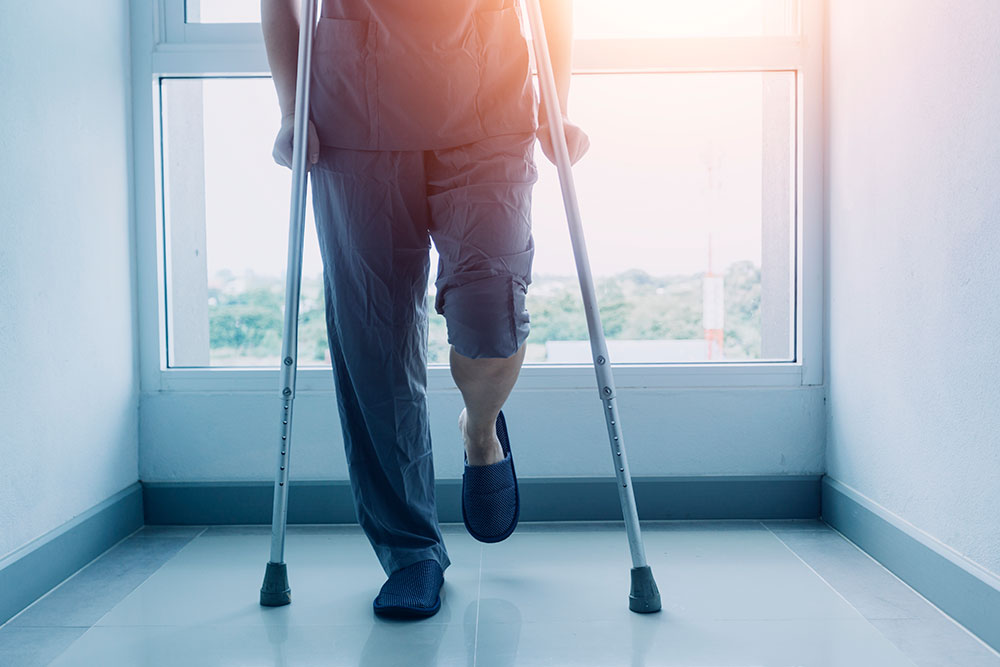
Pedestrian accident victims often experience both immediate and long-term consequences. Recovery efforts aim to cover financial losses and personal harm caused by another’s negligence.
Medical Expenses and Future Care Costs
Medical bills often include emergency care, surgeries, rehabilitation, and follow-up appointments. Serious injuries like fractures, head trauma, or spinal damage may require years of treatment. Future medical projections help estimate ongoing costs for therapy and medication.
Lost Wages and Loss of Earning Capacity
When injuries prevent returning to work, victims lose income and benefits. Some people can’t resume the same occupation due to permanent limitations. Lost earning capacity measures how much income someone might have made over their lifetime without the injury.
Pain and Suffering
Physical pain, sleep disruption, anxiety, and reduced enjoyment of daily activities all factor into non-economic damages. Courts recognize that these losses affect quality of life even when they don’t involve direct financial costs.
Property Damage
Pedestrian accidents sometimes destroy personal belongings like phones, glasses, or laptops. Victims can include these costs in their claims.
How The Oakes Firm Can Help
The Oakes Firm helps people throughout Philadelphia pursue justice after pedestrian accidents. Our pedestrian accident attorneys focus on accountability and fair results through diligent case preparation and direct communication.
Investigating Your Accident and Gathering Evidence
We begin by examining every available source of information. Our team collects police reports, photos, and medical records. When needed, we obtain video footage and interview witnesses to verify what occurred. This groundwork helps reveal the driver’s actions and strengthen your claim.
Determining All Liable Parties
Multiple parties may share responsibility. In addition to the driver, liability can extend to employers if the driver operated a work vehicle, or to local authorities if unsafe road conditions contributed. Identifying all sources of fault ensures no potential avenue for recovery remains unexplored.
Negotiating with Insurance Companies
Insurance carriers often try to minimize payouts by disputing liability or undervaluing injuries. We present evidence clearly and challenge any attempt to shift blame onto the pedestrian. When insurers refuse to act reasonably, we prepare the case for trial to hold them accountable for their insured’s conduct.
Protecting Your Rights Under Pennsylvania Law
Deadlines and procedural rules can affect whether a claim moves forward. We handle paperwork, filings, and correspondence to prevent delays or technical issues that might weaken the case. By managing these details, we allow injured clients to focus on healing.
Maximizing Your Compensation
Our goal involves documenting every aspect of the loss and pursuing the strongest possible result supported by evidence. We calculate current and future expenses, communicate with medical professionals about long-term prognosis, and work to reach fair settlements that reflect the harm suffered.
Frequently Asked Questions About Pedestrian Accident Claims in Philly
What should I do immediately after being hit in a crosswalk?
Call 911 right away to report the accident and request medical help. Even minor injuries can worsen over time. Collect names of witnesses and take photos of the scene if possible. Avoid speaking with insurance representatives before consulting an attorney who handles pedestrian accidents.
How long do I have to file a pedestrian accident claim in Pennsylvania?
Pennsylvania law generally allows two years from the date of the accident to file a personal injury lawsuit. Failing to act within that period may prevent recovery. Starting early helps preserve evidence and witness memories.
Can I recover compensation if I was jaywalking when the accident occurred?
You might still recover damages depending on how the crash happened. If the driver was speeding, distracted, or impaired, they may still bear a larger share of the fault. Each case depends on evidence showing who acted unreasonably.
What if the driver claims I walked into traffic without looking?
Drivers often make that claim, but investigators analyze factors like signal timing, vehicle speed, and skid marks. Witness statements and video recordings usually reveal whether the pedestrian acted safely.
Do I need a lawyer for a crosswalk accident case?
While you’re not required to hire an attorney, legal representation can significantly affect the outcome. An attorney helps organize evidence, calculate losses, and handle insurer communication to prevent unfair treatment.
Contact Our Pedestrian Accident Lawyers in Philadelphia Now
Pedestrian accident cases move forward under strict time limits, and evidence can disappear quickly. Taking action soon after a collision allows The Oakes Firm to collect proof while memories remain fresh and records are accessible. Our team understands how deeply these accidents affect everyday life and how important accountability feels for injured individuals and grieving families.
Contact us today to discuss how our attorneys can help you pursue compensation for your injuries, lost income, and other damages caused by someone else’s negligence.