A collision with a commercial truck can cause life-altering injuries, especially when the crash involves a jackknifed truck or a load that spilled across the highway. Families often find themselves dealing with sudden hospital stays, mounting bills, and the difficult reality of losing income during recovery. If you’re wondering what to do if you were injured by a jackknifed truck or lost load, you’re not alone. Many people in Philadelphia and throughout Pennsylvania struggle with the same questions after these serious accidents.
Legal guidance plays an important role in protecting your rights and building a strong case against those responsible. Trucking companies, insurers, and cargo handlers often act quickly to protect themselves, which leaves injured victims at a disadvantage if they don’t have someone advocating for them. Reaching out to a Philadelphia truck accident lawyer near you for a free consultation can help you take control of the situation and pursue the financial support needed for your recovery.
Key Takeaways About Jackknife and Lost Load Accidents
- Jackknife accidents occur when the trailer swings out at an angle to the cab, often blocking multiple lanes.
- Lost load accidents involve cargo spilling onto the roadway, creating sudden and dangerous hazards.
- After a crash, immediate steps include protecting your safety, documenting the scene, seeking medical care, and notifying authorities.
- Liability can extend beyond the driver to the trucking company, cargo loaders, equipment manufacturers, or even government agencies responsible for road upkeep.
- Pennsylvania laws set strict timelines for filing claims and use modified comparative negligence rules that affect recovery.
What Is a Jackknife Truck Accident?
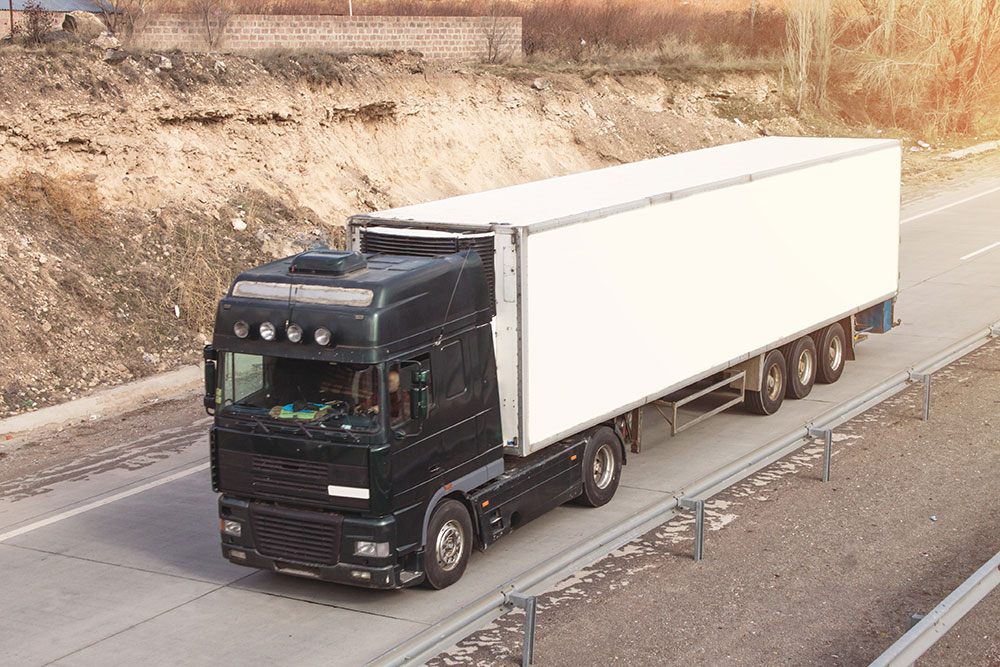
A jackknife accident happens when a truck’s trailer folds in toward the cab, forming an angle like a pocketknife. These crashes often block entire roads and trigger multi-vehicle pileups. The size and momentum of an 18-wheeler make these accidents especially dangerous compared to standard car collisions.
What Causes Trucks to Jackknife?
Several factors contribute to jackknife accidents:
- Sudden braking: Hard or uneven braking can cause the trailer to swing sideways, especially if the trailer is lightly loaded.
- Slippery roads: Rain, ice, or snow reduce traction and increase the risk of skidding. In winter, Pennsylvania highways often see increased jackknife incidents.
- Speeding or unsafe turns: Entering a curve too fast can cause loss of control. A tractor-trailer needs far more space to stop than a car, so speeding often ends with a skid.
- Mechanical problems: Worn brakes or defective equipment make jackknifing more likely. When brakes on the trailer lock before the tractor, the trailer swings outward.
Common Types of Lost Load Accidents
Lost load accidents happen when cargo isn’t properly secured or when equipment holding the load fails. Common scenarios include:
- Improperly secured cargo: Chains, straps, or tie-downs fail, spilling materials into traffic.
- Overloaded trailers: Excess weight strains equipment and increases the risk of failure.
- Hazardous materials spills: Chemicals or fuel leaks endanger both health and safety.
- Shifting cargo inside trailers: Poorly balanced cargo destabilizes the truck, leading to rollovers or spills.
Why These Accidents Are Particularly Dangerous
Jackknife and lost load crashes often affect multiple vehicles at once. Debris scatters across lanes, or a trailer blocks traffic, leaving little room for drivers to react. Because trucks are so large, the damage to smaller cars is usually severe. Injuries can include broken bones, spinal cord trauma, head injuries, and long-term disability.
What Should I Do Immediately After a Jackknife or Lost Load Accident?
Your actions after a truck accident can protect your safety and strengthen your legal claim. Even when shaken or hurt, try to take steps that help preserve evidence.
Ensure Your Safety First
Move to a safe location if possible. Stay out of active traffic and away from spilled cargo. If the load involved hazardous materials, keep your distance until emergency responders secure the scene.
Document the Scene Thoroughly
Use your phone to take photos and videos of the accident site, vehicle damage, road conditions, skid marks, and cargo spills. This visual record can later help establish how the crash occurred.
Gather Critical Information from All Parties
Collect names, addresses, phone numbers, insurance details, and employer information from the truck driver and any witnesses. Note the trucking company’s name and the license plate numbers of all vehicles involved.
Seek Medical Attention Even for Minor Injuries
Some injuries don’t appear right away. A medical professional can diagnose hidden issues such as concussions or internal bleeding. Medical records also create documentation that links your injuries directly to the accident.
Report the Accident to Authorities
Call law enforcement to file an official crash report. In Pennsylvania, a police report often becomes a central piece of evidence in injury claims.
Who Can Be Held Liable for My Jackknife or Lost Load Injuries?
Multiple parties may share responsibility for a truck crash. Identifying all liable groups gives you the best chance of pursuing the compensation needed to cover losses.
Truck Driver Liability Under Pennsylvania Law
Truck drivers must follow traffic laws and federal safety regulations. A driver who speeds, drives while fatigued, or fails to secure cargo properly may be held accountable for resulting injuries.
Trucking Company Responsibility
Trucking companies have a duty to hire qualified drivers, maintain vehicles, and enforce safe practices. If they pressure drivers to meet unsafe deadlines or ignore equipment repairs, they may be responsible.
Cargo Loading Company Liability
Third-party loading companies sometimes handle freight. If they fail to balance or secure cargo, they can be liable when loads shift or spill. For example, a Philadelphia construction supply company that loads heavy steel beams improperly may share liability if those beams spill and strike other cars.
Equipment Manufacturer Defects
Defective brakes, hitches, or tie-down devices may cause accidents even when drivers act responsibly. In these cases, manufacturers may bear liability. Engineers sometimes inspect the wreckage to see if a broken part failed due to poor design or faulty production.
Government Entity Road Maintenance Issues
Potholes, poor signage, or unsafe road design can contribute to accidents. In rare situations, government agencies may face liability for failing to maintain safe roadways. Claims against government entities follow different rules, including shorter filing deadlines, so attorneys often move quickly to protect the injured person’s rights.
What Compensation Can I Recover in Pennsylvania?
Truck accident victims may pursue several types of financial recovery to offset the harm the crash caused. Courts and insurers evaluate these categories based on evidence, expert testimony, and documentation.
- Medical Expenses and Future Treatment Costs: Compensation often includes hospital bills, surgeries, therapy, prescriptions, and ongoing treatment for long-term conditions.
- Lost Wages and Diminished Earning Capacity: If injuries prevent you from working temporarily or permanently, you can pursue recovery for lost income and reduced ability to earn in the future.
- Pain and Suffering Damages: Courts recognize the personal impact of injuries, including chronic pain, emotional distress, and reduced quality of life.
- Property Damage Recovery: Your claim may include costs for repairing or replacing your vehicle and damaged personal property.
- Punitive Damages in Severe Cases: In cases of reckless or intentional misconduct, Pennsylvania law allows punitive damages to punish wrongdoers and discourage future violations.
How Do Pennsylvania Laws Affect My Truck Accident Case?
Pennsylvania has specific legal rules that influence how truck accident claims proceed.
Pennsylvania's Modified Comparative Negligence Rule
If you share fault for the accident, your recovery may be reduced by your percentage of fault. You can recover damages as long as you are less than 51 percent responsible.
Statute of Limitations for Truck Accident Claims
You generally have two years from the date of the crash to file a personal injury lawsuit. Missing this deadline may bar your claim.
Federal Motor Carrier Safety Regulations
The Federal Motor Carrier Safety Administration (FMCSA) sets strict rules for driver hours, vehicle inspections, and cargo securement. Violations often serve as evidence of negligence.
Pennsylvania-Specific Trucking Requirements
Pennsylvania imposes additional rules regarding permits, weight limits, and hazardous material transport. These regulations may play a role in establishing liability.
Common Challenges in Jackknife and Lost Load Cases
Truck accident claims often involve unique obstacles that require thorough investigation and preparation.
Multiple Insurance Companies and Complex Coverage
Truck drivers, trucking companies, and cargo handlers often carry separate insurance policies. Determining coverage requires careful review of contracts and policies. Insurers sometimes argue over which policy applies, delaying fair payments.
Accident Reconstruction Difficulties
Reconstructing how a jackknife or lost load crash occurred often requires experts who analyze skid marks, vehicle positions, and mechanical data. Trucking companies may present their own reconstruction reports that downplay their role, which means injured victims need professionals who can challenge these findings.
Trucking Company Investigation Teams
Large trucking companies sometimes send investigators to accident scenes immediately to collect evidence. These teams often focus on protecting the company by shaping the narrative in their favor. For example, they may interview witnesses quickly before injured drivers have a chance to gather their own statements.
Evidence Preservation Issues
Black box data, driver logs, and cargo records may be destroyed if not requested promptly. Trucking companies may claim that records were lost in the ordinary course of business, even when they knew the information was needed for a claim. Attorneys often send letters demanding that companies preserve key evidence to prevent this.
How Our Attorneys Can Help
Working with experienced Pennsylvania truck accident attorneys from The Oakes Firm can level the playing field against large trucking companies and insurers.
Immediate Case Investigation and Evidence Preservation
Our attorneys start by securing accident reports, black box data, and witness statements. We often visit the accident site themselves or send investigators to collect details before road conditions change or debris is removed.
Expert Accident Reconstruction Services
Our lawyers work with specialists who examine vehicle damage, roadway evidence, and mechanical systems. These experts create models that show how the accident unfolded and who was responsible.
Negotiating with Multiple Insurance Companies
Our attorneys handle calls, letters, and negotiations with insurers. We push back against low offers by presenting documented medical bills, wage records, and expert reports. This process keeps clients from being pressured into unfair settlements.
Litigation Experience with Complex Truck Cases
If insurers refuse to settle responsibly, our attorneys file lawsuits and prepare for trial. We handle depositions, gather expert testimony, and present the case to a jury. This readiness often motivates insurers to negotiate more fairly.
Step-by-Step Support Through the Claim
We guide clients through each stage, from filing paperwork to preparing for depositions or mediation. We explain options clearly, provide updates, and answer questions so clients don’t feel left in the dark.
Frequently Asked Questions About PA Truck Accident Claims
How long will my case take to resolve?
Truck accident cases vary. The timeline depends on numerous factors, including the severity of your injuries and the insurance company’s responsiveness. Your attorney may provide an estimate after they review your case.
Can I still recover compensation if I was partially at fault for the accident?
Yes. Under Pennsylvania’s comparative negligence rule, you can recover damages if you’re less than 51 percent at fault, though your award will be reduced by your percentage of fault.
What if the truck driver doesn't have enough insurance to cover my damages?
Your attorney may pursue claims against the trucking company, cargo loader, or other responsible parties. You may also use your own uninsured/underinsured motorist coverage.
How is liability determined when a truck's lost load causes an accident?
Investigators review cargo loading records, weigh station logs, and video footage to identify whether the driver, trucking company, or loader failed to secure the cargo properly.
What makes jackknife truck accident cases different from regular car accidents?
These cases often involve multiple vehicles, larger damages, and federal safety regulations. They also require preserving evidence such as electronic logging data and maintenance records.
Contact Our Truck Accident Attorneys in Philly Now
Truck accident cases in Pennsylvania must be pursued quickly to preserve evidence and meet legal deadlines. The sooner you seek help, the stronger your claim will be. The attorneys at The Oakes Firm bring knowledge of Pennsylvania trucking laws, resources to investigate large-scale accidents, and experience dealing with aggressive insurance companies.
You don’t need to handle this process alone. Contact The Oakes Firm today for a free consultation. Learn your options, get your questions answered, and take the first step toward financial recovery and accountability for the harm caused by a jackknifed truck or lost load.