Workplace accidents in Pennsylvania leave injured workers wondering who should pay for their medical bills, lost income, and long-term effects. Many assume workers’ compensation is the only option. However, when someone other than the employer causes the injury, the worker may have grounds to pursue additional compensation.
Third-party liability in Pennsylvania workplace injuries gives employees the right to hold negligent individuals or companies outside their employer accountable. These cases often involve property owners, contractors, drivers, or manufacturers whose actions or products caused the harm. Skilled legal representation helps identify all responsible parties and pursue every available form of recovery.
If you or a loved one suffered an injury at work, you may have the right to take action against more than one party. A Pennsylvania workplace accident attorney can review your situation and explain your options during a free consultation.
Schedule A Free Case Consultation
Key Takeaways: Third-Party Workplace Injury Claims in PA
- Pennsylvania law allows injured employees to pursue claims against negligent third parties in addition to receiving workers’ compensation benefits.
- Third parties can include property owners, contractors, equipment manufacturers, or negligent drivers.
- Third-party claims may allow recovery for pain and suffering, which workers’ compensation doesn’t cover.
- The statute of limitations for most Pennsylvania third-party personal injury claims is two years.
- Preserving evidence quickly strengthens the case and protects the injured worker’s right to recovery.
What Is Third-Party Liability in Workplace Injury Cases?
A third-party claim holds someone other than the employer responsible for the injury. Workers’ compensation is separate and doesn’t prevent filing a lawsuit against a negligent party.
Key differences include:
- Employer liability: Covers only workers’ compensation benefits. Employees usually can’t sue their employer directly.
- Third-party liability: Targets negligent outsiders whose conduct or product caused the injury.
- Damages: A third-party lawsuit can seek broader damages, including pain and suffering and full lost wages.
Common Third-Party Defendants in Pennsylvania Workplace Accidents
Workers often encounter people or businesses that aren’t part of their employer’s company but still contribute to unsafe conditions. Common examples include:
- Property owners: Unsafe premises at job sites, such as construction projects in South Philadelphia or warehouses in Fishtown.
- Contractors and subcontractors: Negligence in supervision or safety compliance.
- Product manufacturers: Defective tools or machinery causing injuries.
- Motorists: Careless drivers colliding with company vehicles.
Types of Damages Available in Third-Party Claims
Workers’ compensation limits recovery to medical expenses and partial wages. A third-party claim allows for additional damages, such as:
- Pain and suffering: Compensation for physical pain and emotional distress.
- Full lost income: All wages missed, not just a percentage.
- Loss of future earnings: When injuries reduce long-term earning potential.
- Loss of consortium: Impact on family relationships.
Who Can Be Held Liable as a Third Party for Your Workplace Injury?
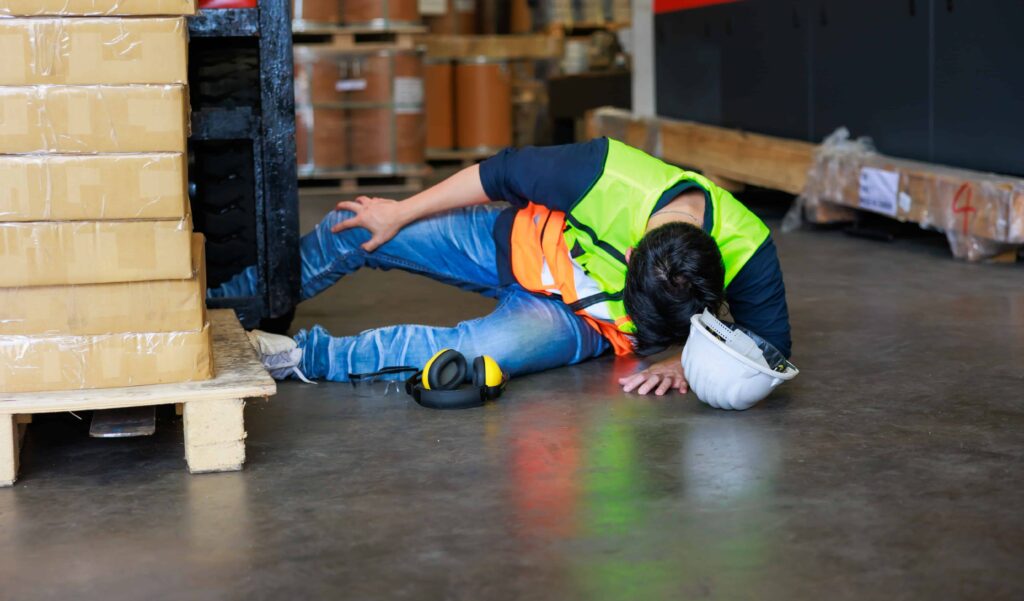
Many Pennsylvania workers perform their jobs in places or conditions involving multiple parties. When someone outside the employer’s control causes harm, that person or entity may share legal responsibility.
Property Owners and Premises Liability
Property owners must maintain safe conditions for lawful visitors, including workers. If a worker slips on an unmarked spill in a restaurant kitchen in Center City or falls due to broken steps at a delivery site, the property owner may be liable under premises liability law.
Product Manufacturers and Defective Equipment
Defective machinery or tools cause many injuries in factories and construction sites. If a power saw malfunctions in a Northeast Philadelphia workshop or a forklift’s brakes fail in a Chester County warehouse, the manufacturer or distributor may owe damages under product liability law.
Subcontractors and Other Companies on the Worksite
Construction projects often involve several subcontractors. A worker employed by one company may suffer harm because another failed to follow safety procedures. For example, if a subcontractor’s crew leaves electrical wires exposed at a project in University City, that subcontractor could face a third-party claim.
Vehicle Drivers in Work-Related Accidents
Delivery drivers, construction haulers, and sales representatives spend hours on the road. When another driver causes a crash during work-related travel, that driver may be responsible for injuries. A collision on I-76 caused by a distracted motorist could form the basis of a third-party lawsuit.
Maintenance and Repair Companies
Equipment maintenance firms that ignore safety standards or use substandard replacement parts create hazards. If a maintenance provider fails to repair a malfunctioning elevator in a commercial building and a technician gets hurt, that company may face liability.
What Types of Workplace Accidents Involve Third-Party Liability?
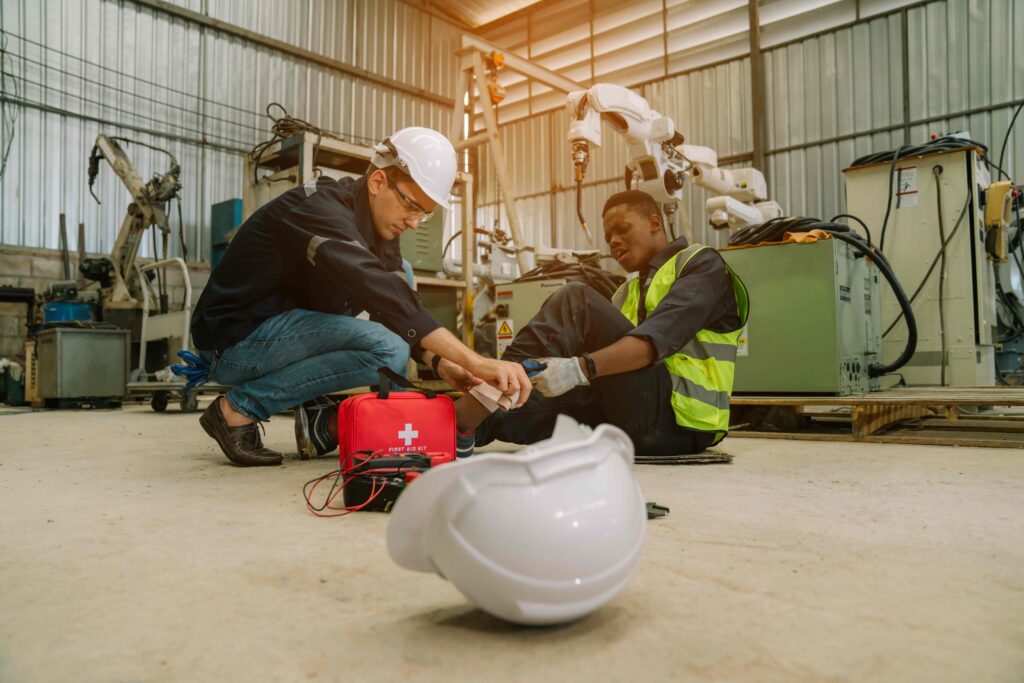
Different industries expose workers to hazards caused by outsiders. Understanding where and how these incidents occur helps identify third-party responsibility.
Construction Site Accidents
Construction remains one of Pennsylvania’s most hazardous industries. General contractors, property owners, and equipment suppliers may all contribute to unsafe conditions. Falls from scaffolding in projects along Market Street or accidents involving heavy machinery often involve more than one negligent party.
Delivery Driver Accidents
Delivery workers face traffic risks daily. A driver struck by a careless motorist while delivering packages in South Philadelphia could hold that driver accountable in a personal injury claim while still collecting workers’ compensation from their employer.
Manufacturing and Industrial Accidents
Factory workers often depend on heavy machines and chemical systems maintained by outside vendors. A defective part, poor design, or improper installation could create grounds for a third-party case. An industrial worker in Allentown injured by a poorly serviced press machine might pursue a claim against the maintenance contractor.
Workplace Assaults by Non-Employees
Sometimes, violence by customers, vendors, or trespassers causes harm at work. For example, a delivery person attacked in a parking lot by someone unrelated to the employer could bring a third-party claim against the property owner or another responsible individual.
Can You Sue Multiple Third Parties for a Single Workplace Injury?
Many workplace incidents involve more than one negligent actor. Identifying each responsible party allows injured workers to seek compensation from all available sources.
Identifying All Potentially Liable Parties
Thorough investigation often reveals several contributing causes. For instance, an electrician injured at a construction site may have claims against the general contractor for poor supervision and the equipment supplier for defective gear.
Joint and Several Liability in Pennsylvania
Pennsylvania law allows multiple defendants to share responsibility for damages. Under joint and several liability, each defendant can be held accountable for the entire award if others can’t pay. However, the Fair Share Act limits this rule by tying liability to the defendant’s percentage of fault unless one party bears 60 percent or more of it.
Coordinating Multiple Claims
Multiple claims require careful coordination to avoid inconsistent results. An attorney can file separate lawsuits against each third party while ensuring consistent presentation of evidence and damages.
Comparative Negligence Rules Under 42 Pa.C.S. § 7102
Pennsylvania’s comparative negligence statute reduces damages if the injured worker shares partial fault. For example, if a worker is found 20 percent responsible for an accident, they can still recover 80 percent of their damages. However, anyone 51 percent or more at fault can’t recover under this law.
What Evidence Do You Need to Prove Third-Party Liability?
Strong evidence supports a successful claim. Attorneys gather proof showing how another party’s conduct directly caused the injury.
Documenting the Accident Scene
Photographs, videos, and physical evidence from the scene often reveal unsafe conditions. For instance, photos of a broken guardrail or malfunctioning switch help show how the incident occurred.
Witness Statements and Testimony
Coworkers, supervisors, or bystanders who saw the event can confirm key details. Written statements or recorded testimony help establish what happened and who was responsible.
Medical Records and Expert Opinions
Medical documentation links injuries to the incident. Physicians and medical experts provide opinions explaining how the accident caused the harm and how it affects future ability to work.
Maintenance Records and Safety Violations
Inspection logs, repair histories, and safety reports often expose negligence. A maintenance company that ignored repeated complaints or a contractor who skipped safety training may face liability based on these records.
How Long Do You Have to File a Third-Party Claim in Pennsylvania?
In Pennsylvania, most personal injury claims must be filed within two years from the date of the injury. Missing this deadline generally prevents recovery, no matter how strong the case may be.
Discovery Rule Exceptions
Sometimes, injuries aren’t immediately apparent. The discovery rule pauses the two-year clock until the worker knows or reasonably should know that another party’s negligence caused their harm. For example, an employee exposed to toxic chemicals who becomes ill years later might still file if they only recently discovered the cause.
Why Acting Quickly Matters
Evidence fades, witnesses forget details, and responsible parties may try to avoid accountability. Prompt action helps preserve proof and strengthens the injured worker’s position during negotiations or litigation.
How The Oakes Firm Can Help

The Oakes Firm works with injured Pennsylvania workers to pursue claims against negligent third parties and hold them responsible for the harm caused.
Investigating Your Accident to Identify Third Parties
Our team investigates every aspect of the incident. We examine safety records, interview witnesses, and work with specialists to determine all potential sources of liability.
Handling Complex Multi-Party Litigation
Third-party cases often involve several defendants and insurance companies. We manage the process, coordinate discovery, and ensure each responsible party faces accountability for its role in the injury.
Maximizing Your Compensation
We evaluate the full impact of your injury, including lost wages, future earnings, and noneconomic losses such as pain and emotional distress. Our goal is to build a strong case that supports fair compensation for all damages recognized under Pennsylvania law.
Dealing with Insurance Companies
Insurance carriers sometimes deny responsibility or make offers that don’t reflect the real cost of an injury. We hold them accountable by presenting clear evidence of fault and damages and pressing for meaningful settlement discussions.
Protecting Your Legal Rights Throughout the Process
We handle deadlines, filings, and communication with opposing parties so that you can focus on recovery. Our firm ensures your legal rights remain protected at every stage of the claim.
Frequently Asked Questions About Third-Party Work Injury Claims in PA
Can I sue my employer directly in Pennsylvania?
In most cases, no. Pennsylvania’s Workers’ Compensation Act prevents employees from suing their employers for job-related injuries. However, you may still sue third parties whose negligence contributed to your accident, such as property owners, contractors, or manufacturers.
What if I’m partially at fault for my workplace injury?
You may still recover damages if you’re less than 51 percent responsible under Pennsylvania’s comparative negligence rule. Your recovery decreases by your percentage of fault.
Do third-party settlements affect my workers’ compensation benefits?
Yes. When you recover money from a third party, your employer’s insurance carrier may have a right to reimbursement for benefits already paid. Your attorney can help structure the settlement to account for this and reduce repayment amounts where possible.
Can I sue a coworker as a third party?
Generally, coworkers share the employer’s immunity under the Workers’ Compensation Act. However, if a coworker acted intentionally or was working for a different company, a third-party claim may be possible.
What should I do immediately after a workplace injury involving a third party?
- Seek medical attention: Get care right away and document your injuries.
- Report the incident: Notify your employer as required by Pennsylvania law.
- Collect evidence: Take photos, note names of witnesses, and preserve damaged equipment.
- Contact an attorney: A workplace accident lawyer can identify third-party liability and take timely legal action.
Contact Our Workplace Accident Attorneys in Pennsylvania Now
Time limits and evidence issues make early legal guidance important after a workplace accident. The Oakes Firm represents injured workers throughout Pennsylvania, helping them pursue claims against negligent third parties who contributed to their harm. We understand how injuries affect your daily life and financial stability, and we’ll work to build a case that reflects the full impact of what happened.
If you suspect another company, property owner, or individual contributed to your injury, don’t wait to get answers. Contact The Oakes Firm for a free, no-obligation consultation and learn how our team can help you pursue your third-party liability claim.