When your child is hurt in an Uber or Lyft crash, the questions pile up fast. Who pays the medical bills? Does insurance cover a minor passenger? What if the driver picked up your teenager without your knowledge?
Rideshare accidents involving minors raise legal issues that don't apply to typical car crashes. Parents often find the claims process confusing and frustrating. A Philadelphia rideshare accident lawyer can help you cut through the red tape and pursue full and fair compensation on your child's behalf.
Schedule A Free Case Consultation
What Every Parent Should Know About Minor Rideshare Injuries
- Children face heightened safety risks in rideshare vehicles because drivers rarely carry car seats and may transport unaccompanied teens against company policy.
- Pennsylvania's child restraint laws apply to Uber and Lyft vehicles, though enforcement and liability remain gray areas after a crash.
- Rideshare insurance policies provide substantial coverage for injured passengers, but claims involving minors can get denied if company rules were violated.
- Parents or guardians must file injury claims on behalf of children under 18, and Pennsylvania courts require approval of any settlement.
- An attorney can identify all sources of compensation and protect a minor's legal rights throughout the process.
Why Rideshare Accidents Pose Unique Risks for Children
Rideshare services have changed the way families get around Philadelphia. Parents use Uber and Lyft to shuttle kids to school, soccer practice, and appointments at Children's Hospital of Philadelphia.
But these convenient trips come with safety gaps that traditional taxis and private vehicles don't share.
No car seats available in most markets
Pennsylvania law requires children under eight to ride in an approved child restraint or booster seat. The Pennsylvania Department of Transportation confirms these requirements apply to all passenger vehicles, including rideshares.
Yet Uber and Lyft drivers almost never carry car seats. Both companies briefly offered car seat options in select cities, but those programs have largely disappeared.
In Philadelphia, parents must bring their own seat and install it quickly at the curb. Many skip this step when running late, leaving young children unprotected.
Unaccompanied minors and policy violations
Both Uber and Lyft prohibit unaccompanied riders under 18 from using their platforms. Drivers are supposed to cancel any ride if the passenger appears underage.
Uber recently introduced "Uber for Teens," allowing 13- to 17-year-olds to book rides with parental consent. The program includes safety features such as:
- PIN verification before pickup
- Real-time trip tracking for parents
- Driver alerts identifying the trip as a teen ride
Outside of that program, enforcement is inconsistent. Some drivers ignore the age rule to avoid losing fares. Others simply can't distinguish a 16-year-old from an 18-year-old.
When a crash happens during an unauthorized trip, insurance coverage becomes uncertain.
Limited driver vetting compared to school buses
Unlike school bus operators, Uber and Lyft drivers don't need commercial licenses or specialized training. A clean driving record and a background check are enough to get started.
Most rideshare drivers are responsible. But the low barrier to entry means parents have less assurance about who is behind the wheel when their child climbs into the back seat.
How Pennsylvania Child Restraint Laws Apply to Rideshares
Pennsylvania's child passenger safety law (75 Pa. C.S. § 4581) sets clear age-based requirements:
- Under age 2: Must ride in a rear-facing car seat
- Under age 4: Must be secured in a child passenger restraint system
- Ages 4 through 7: Must use a booster seat unless they weigh at least 80 pounds or stand 4 feet 9 inches tall
- Ages 8 and older: Must wear seat belts; safest in the back seat until age 13
These rules apply whether the vehicle is a family sedan or an Uber heading to 30th Street Station.
The Commonwealth v. Howard decision
The Pennsylvania Supreme Court addressed a related question in Commonwealth v. Howard. The court ruled that a parent does not automatically commit the crime of Endangering the Welfare of a Child simply by placing a child in a rideshare without a car seat.
However, that decision dealt with criminal liability, not civil responsibility after an accident. If your child suffers injuries because they weren't properly restrained in a rideshare vehicle, fault allocation becomes central to any insurance claim.
Who provides the car seat?
Neither Pennsylvania law nor rideshare company policies clearly assign this duty. In practice, parents are expected to supply and install their own seats.
After a crash, insurance adjusters may argue that a parent's failure to secure their child contributed to the injuries. This tactic can reduce the compensation available to you.
An experienced attorney can push back against these arguments and focus attention on the driver or other motorist who caused the collision.
Common Causes of Rideshare Accidents in Philadelphia
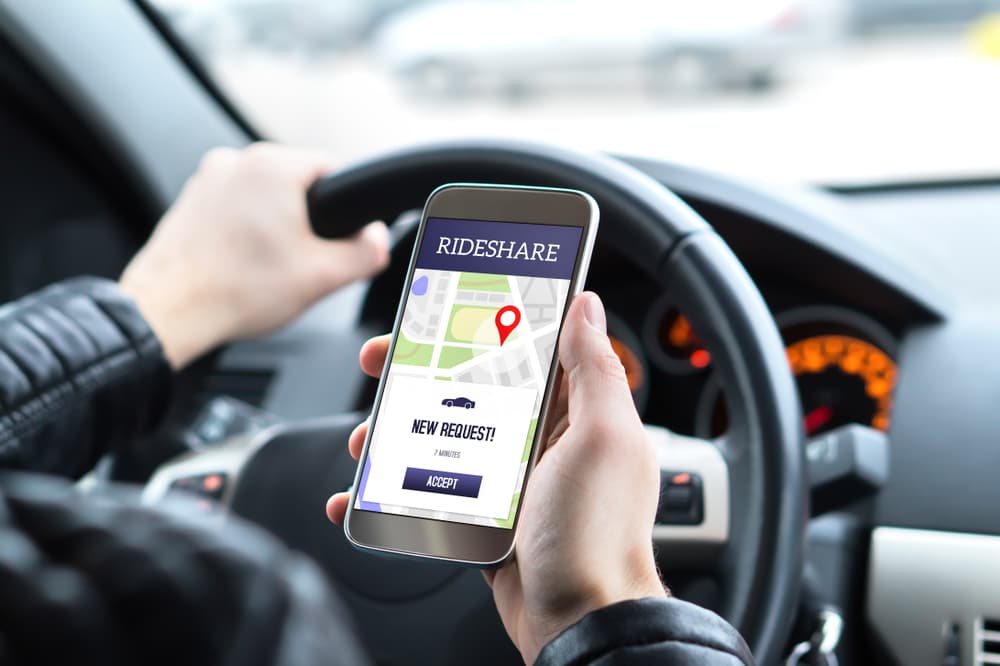
Philadelphia's dense traffic and aging infrastructure create conditions where rideshare crashes happen regularly. Uber and Lyft drivers face pressure to complete as many trips as possible, which can lead to risky decisions behind the wheel.
Distracted driving
Rideshare drivers rely on their phones to accept rides, follow GPS directions, and communicate with passengers. That constant screen time pulls attention away from the road, especially on busy corridors such as Broad Street, Market Street, and the Schuylkill Expressway.
Speeding and aggressive driving
Drivers racing to pick up passengers or squeeze in extra fares often exceed safe speeds. High-traffic areas around Center City, University City, and the Philadelphia International Airport see frequent crashes tied to aggressive lane changes and tailgating.
Unfamiliarity with local roads
Many rideshare drivers don't know Philadelphia's quirks, such as the trolley tracks on Girard Avenue, the tight turns in Old City, or the confusing merge points near the I-76 and I-676 interchange. GPS doesn't always account for these hazards.
Poor road conditions
Potholes, uneven pavement, and faded lane markings contribute to accidents across the city. Neighborhoods from Kensington to Southwest Philadelphia have roads in serious disrepair, and rideshare vehicles travel these routes constantly.
Fatigue
Drivers working long shifts to meet earnings goals may be on the road for 10 or 12 hours at a stretch. Fatigue slows reaction times and impairs judgment, raising the risk of a crash, particularly during late-night pickups from venues in Northern Liberties, Fishtown, or along the Delaware River waterfront.
When any of these factors cause an accident that injures a child, the driver and potentially the rideshare company can be held accountable.
Insurance Coverage for Minors Injured in Rideshare Crashes
Pennsylvania requires rideshare companies to carry substantial insurance when drivers are transporting passengers. During an active trip, both Uber and Lyft maintain:
- $1 million in liability coverage for injuries and property damage
- $1 million in uninsured/underinsured motorist coverage
- $25,000 in first-party medical benefits for passengers
These amounts far exceed the minimums required for personal auto policies. For families facing steep medical bills after a child's injury, this coverage can make a real difference.
When coverage gets complicated
Insurance claims involving minors don't always go smoothly. If the driver violated company policy by picking up an unaccompanied minor, the rideshare company may deny the claim.
In that scenario, families may need to pursue:
- The driver's personal auto insurance
- A direct lawsuit against the driver
- A claim against another at-fault motorist
Sorting through these options requires someone familiar with how rideshare insurance works in Pennsylvania.
The "periods" of rideshare coverage
Rideshare insurance operates differently depending on what the driver was doing at the time of the crash:
- Period 1: App on, waiting for a ride request. Limited coverage applies.
- Period 2: Ride accepted, en route to pick up the passenger. Higher coverage kicks in.
- Period 3: Passenger in the vehicle. Full $1 million policy applies.
Children are most likely to be injured during Period 3, when full coverage is available. But if a crash happens while the driver is on the way to pick up your child, coverage amounts may be lower.
Other Dangers Minors May Face in Rideshare Vehicles
Crashes aren't the only risk when children ride with strangers. Parents should also be aware of non-collision concerns that can arise during rideshare trips.
Inappropriate conduct by drivers
Uber and Lyft have faced lawsuits nationwide involving drivers accused of harassment, sexual assault, and other misconduct toward passengers. Minors are particularly vulnerable because they may not recognize warning signs or know how to respond.
Both companies have added safety features in recent years, including in-app emergency buttons and ride tracking. Still, these tools work best when a parent or guardian is monitoring the trip in real time.
Potential for exploitation
Unaccompanied minors traveling alone may attract attention from individuals looking to exploit vulnerable young people. Advocacy groups have raised concerns about rideshare platforms being used to facilitate trafficking.
While such cases remain rare, they underscore why both Uber and Lyft maintain strict policies against transporting minors without an adult present.
What parents can do
A few practical steps can reduce risk when your child needs a rideshare:
- Accompany younger children whenever possible
- Use Uber for Teens or similar supervised programs for teenagers
- Track every trip in real time through the app
- Teach children to verify the driver's name and vehicle before getting in
- Encourage kids to sit in the back seat and keep doors locked
These simple habits won't prevent every accident, but they give you more control over your child's safety and can strengthen your position if something goes wrong.
Filing a Claim on Behalf of an Injured Child
Pennsylvania law treats injury claims for minors differently from claims filed by adults. These rules exist to protect children, and an attorney can walk you through each step.
Parental authority to file
A parent or legal guardian files the claim on behalf of a child under 18. The child cannot negotiate directly with insurance companies or sign a release.
Court approval of settlements
Pennsylvania courts must approve any settlement involving a minor's personal injury claim. This requirement protects children from agreements that don't serve their best interests.
The approval process involves submitting the proposed settlement to a judge, who reviews whether the amount is fair given the child's injuries and long-term needs.
Extended statute of limitations
Pennsylvania's two-year statute of limitations for personal injury claims is "tolled" (paused) for minors. The clock doesn't start running until the child turns 18.
This extended timeline gives families more flexibility. However, waiting years to file a claim can make it harder to gather evidence and locate witnesses. Starting the process sooner generally leads to better outcomes.
How Can a Lawyer Help Protect Your Child's Claim?

Rideshare accident cases involving children require careful handling. Multiple insurance policies may apply, and adjusters often look for reasons to reduce payouts.
An attorney can:
- Investigate the crash and identify all responsible parties
- Determine which insurance policies provide coverage
- Counter arguments that your child's injuries were caused by lack of a car seat
- Handle communications with Uber, Lyft, and their insurers
- Guide the family through the court approval process for any settlement
Obtaining legal help as soon as possible after the rideshare accident or incident helps your family to focus on your child's recovery while someone else handles the paperwork and negotiations.
Questions Parents Often Ask About Rideshare Accident Cases Involving Minors
Can my child ride alone in an Uber or Lyft?
Standard Uber and Lyft policies require riders to be at least 18. Uber for Teens allows 13- to 17-year-olds to ride with parental setup and monitoring. Outside of that program, unaccompanied minors are not permitted.
What if the driver picked up my teenager without checking ID?
Drivers are supposed to cancel rides for passengers who appear underage. If a driver ignores this rule and an accident occurs, the rideshare company's insurance may deny the claim. Your family may still pursue compensation through the driver's personal policy or a lawsuit.
Does Pennsylvania require car seats in Uber and Lyft vehicles?
Yes. Pennsylvania's child restraint laws apply to rideshare vehicles. Children under eight must use an appropriate car seat or booster. Parents are responsible for providing and installing the seat.
How much insurance coverage is available if my child is injured?
During an active ride, Uber and Lyft carry $1 million in liability coverage plus $25,000 in first-party medical benefits for passengers. Coverage amounts are lower if the accident happens before the child enters the vehicle.
How long do I have to file a claim for my child's injuries?
Pennsylvania's statute of limitations is tolled for minors, meaning the two-year deadline doesn't begin until the child turns 18. However, filing sooner preserves evidence and typically produces better results.
Will I have to go to court?
Most rideshare injury claims settle without a trial. However, any settlement for a minor must be approved by a Pennsylvania court to ensure it's fair to the child.
Get Help From a Philadelphia Rideshare Accident Lawyer

When a child is injured in an Uber or Lyft accident, families may be pressured to accept the first settlement offer and move on. Insurance companies count on that instinct. But a quick payout rarely accounts for ongoing medical care, future therapy, or the long-term effects of a serious injury.
The Oakes Firm represents families throughout Pennsylvania in rideshare accident cases. We take the time to evaluate your child's full range of losses and deal directly with Uber, Lyft, and their insurers so you don't have to. Our Philadelphia personal injury lawyers work on a contingency basis, which means you pay nothing unless we recover compensation for your family.
If your child was injured in a rideshare accident in Philadelphia or anywhere in Pennsylvania, call us or contact us online today for a free consultation.