Elderly residents in Philadelphia deserve to live with safety, dignity, and peace of mind. Sadly, too many nursing homes across the city – whether in West Philly, the Northeast, or around Center City – fall short of that responsibility. Abuse, neglect, and exploitation can leave families heartbroken and residents seriously harmed. In these devastating situations, nursing home abuse lawyers in Philadelphia can provide the legal advocacy needed to hold negligent facilities accountable and pursue justice for your loved one.
Schedule A Free Case Consultation
Types of Nursing Home Abuse in Philadelphia
Abuse in nursing homes is not always easy to spot right away. It can take many forms, each with its own warning signs and consequences. Whether the abuse happens in a small private facility or a large chain-operated home in the area, it leaves lasting damage. Families need to know what to watch for, when to involve a nursing home attorney near Delco, and how to respond when something seems wrong. Often, the first step in protecting a loved one’s rights is consulting a Philadelphia nursing home negligence lawyer who can help navigate the legal issues and pursue accountability.
Physical abuse involves intentional acts that cause bodily harm. This can include hitting, slapping, kicking, or restraining a resident in a harmful way. Staff may try to cover up injuries, claiming they resulted from falls or accidents. Families might see bruises, burns, cuts, or even broken bones without a clear explanation. If a loved one starts flinching around caregivers or avoids physical contact, take those signs seriously.
This type of abuse may not leave visible marks, but it's just as damaging. Caregivers or other residents might yell, insult, shame, or threaten an elderly person. Staff may isolate a resident from others or refuse to respond to their requests. Over time, this can lead to anxiety, fear, withdrawal, and depression. In parts of the city like West Oak Lane or Kingsessing, where some facilities have staffing issues, this kind of mistreatment may go unnoticed unless someone speaks up.
Sexual abuse in nursing homes involves any non-consensual sexual contact. Victims often feel scared, ashamed, or unable to speak out, especially those with cognitive impairments like dementia. Signs can include bruising in private areas, torn clothing, or sudden emotional changes. In some tragic cases, abuse is committed by other residents, and staff fail to supervise properly. Families must stay alert, especially in larger facilities where supervision may be lacking.
When someone gains access to a resident's money or possessions through deceit or pressure, that's financial exploitation. This might include stealing cash, misusing credit cards, or forging checks. Some residents are convinced to change their wills or add names to bank accounts. In neighborhoods like Roxborough or Northern Liberties, where families may live far from their elderly relatives, these crimes can go unnoticed for months. Check financial records often, and question sudden changes.
Neglect happens when staff fail to meet a resident's basic needs—things like food, clean clothing, hygiene, medication, or medical care. Bedsores, infections, dehydration, and weight loss often point to neglect. When medical staff give the wrong medication, skip doses, or ignore symptoms, it may cross the line into malpractice. These cases are especially common in underfunded or understaffed homes throughout the city. Neglect and poor medical care not only harm residents, they shorten lives.
If you suspect any of these types of abuse are happening to your loved one, act immediately. Reporting the situation and contacting a nursing home abuse attorney in South Philly can make a difference for your family and may also help protect other residents who are suffering in silence.
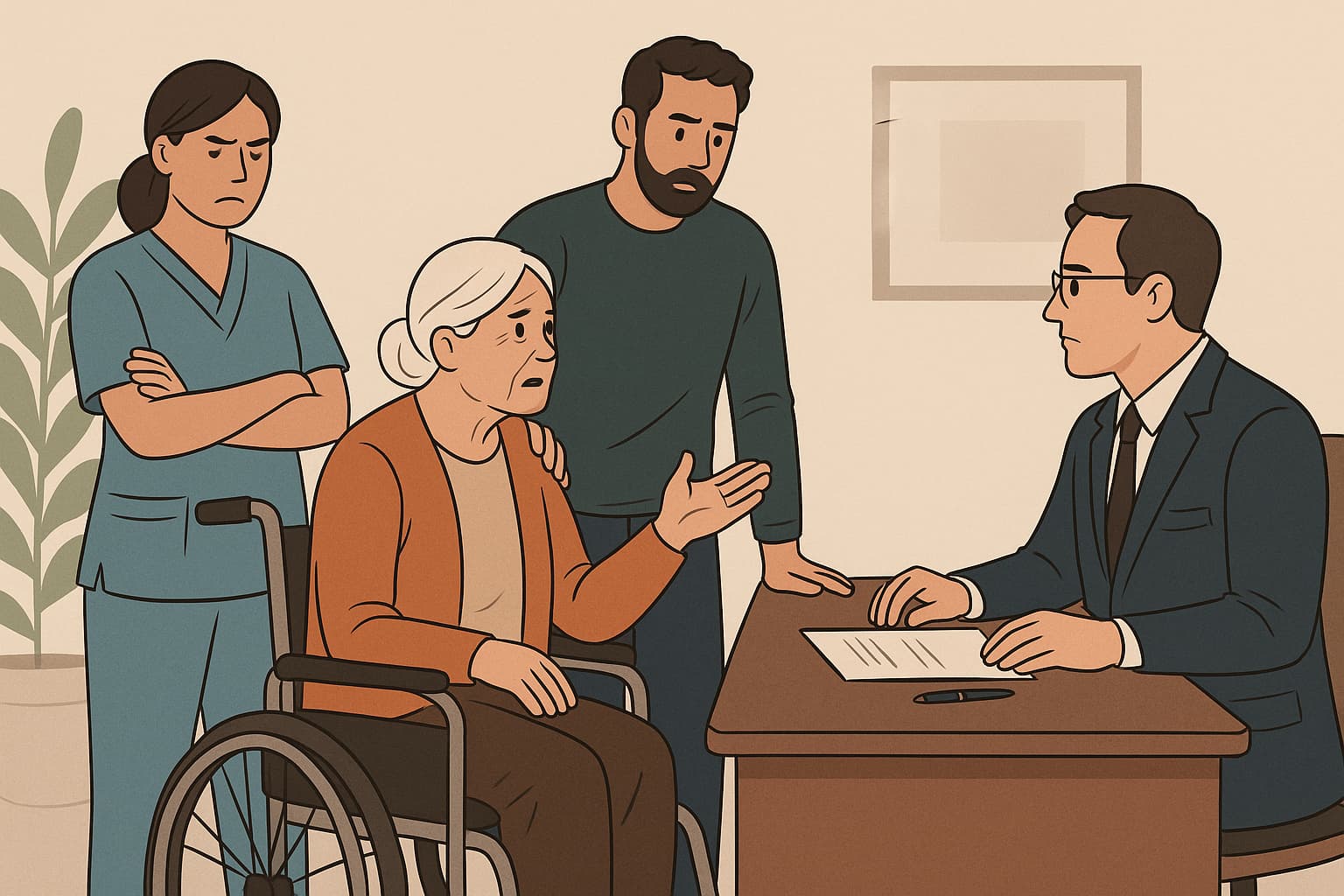
Legal Rights of Nursing Home Residents in Pennsylvania
Elderly residents are not powerless. Federal and state laws protect them from harm and allow families to take legal action when facilities fail. If you or a loved one has been mistreated, consulting a nursing home abuse attorney in South Philly can help you understand your rights and hold negligent providers accountable.
The Nursing Home Reform Act gives residents the right to be free from abuse, to participate in their own care, and to voice grievances without fear of retaliation. These rights apply no matter which Philadelphia neighborhood the facility is in.
State law adds another layer of protection. Facilities must provide safe, adequate, and humane care. Pennsylvania's Department of Health investigates reports and has the authority to penalize or shut down violators.
Facilities must hire qualified staff, meet minimum care requirements, and follow regulations on cleanliness, nutrition, and medical services. Failing to do so puts lives at risk.
Residents and families can report abuse, request investigations, and file lawsuits. Legal claims help expose wrongdoing and provide financial recovery for the harm done.
Compensation Available for Nursing Home Abuse Victims
No amount of money can undo the harm, but nursing home abuse lawyers in Philadelphia can help pursue financial compensation for medical costs, relocation expenses, pain and suffering, and the accountability your family deserves.
Victims may need hospital care, therapy, or even relocation. Compensation can pay for past and future expenses tied to the abuse.
Pain, distress, loss of dignity—these deserve recognition. The law allows victims to recover money for the emotional and physical toll they've endured.
In cases of extreme abuse or repeated neglect, the court may award punitive damages. These punish the facility and send a message to others.
If abuse or neglect leads to a resident’s death, family members may be able to file a wrongful death lawsuit. These cases often uncover the most serious misconduct and, with the help of a wrongful death lawyer in Philadelphia, can provide accountability and a measure of closure for loved ones.
Why Should I Hire a Philadelphia Nursing Home Abuse Attorney?
Working with a nursing home abuse attorney in South Jersey or Philadelphia helps make sure your loved one’s case receives the attention it deserves. Abuse and neglect claims require strong legal action, careful review of medical records, and a willingness to hold facilities responsible when they violate resident safety rules.
Nursing home abuse cases involve both legal and healthcare elements. A skilled attorney understands how to piece them together for a strong claim.
The Oakes Firm handles the heavy lifting. From collecting facility records to interviewing witnesses, we build the case so you don't have to shoulder that burden alone.
Many facilities carry liability insurance. Their insurers try to downplay claims or offer lowball settlements. Our firm pushes for what's fair, not just what's easy.
When nursing homes refuse to take responsibility, we prepare for trial. Presenting a case in front of a jury takes experience, preparation, and a deep understanding of the facts.
You won't owe any legal fees unless we secure compensation on your behalf. That means our success depends on helping you.
Pennsylvania Laws Governing Nursing Home Abuse Cases
Whether you are dealing with a facility in Philadelphia or looking for a nursing home abuse attorney serving South Jersey, it is important to understand that nursing home abuse cases involve strict rules, evidence concerns, and legal deadlines. Acting quickly can help protect your loved one’s rights and preserve the proof needed to build a strong claim.
You generally have two years from the date of injury to file a claim. Delaying can risk your right to recover damages, so it's best to act quickly.
Healthcare workers and others who suspect abuse must report it to authorities. Failure to report can lead to penalties and may strengthen your case against the facility.
Nursing homes must meet strict licensing standards. Violating those rules can be used to show negligence or misconduct.
Large companies that run multiple nursing homes in Pennsylvania—often with centralized management—can be held liable when abuse results from systemic problems, not just one bad staff member.
If you suspect abuse, taking action quickly can prevent more harm and strengthen your legal case. Start by documenting everything—photos, conversations, medical visits. Report your concerns to facility administrators, then to state authorities. Get medical help for your loved one right away. Finally, contact The Oakes Firm. We'll listen, review the facts, and help you decide what comes next.
Schedule A Free Case Consultation
Why Choose The Oakes Firm for Nursing Home Abuse Cases
Selecting the right legal advocate is vital when taking on nursing homes, long-term care facilities, and large healthcare corporations. The Oakes Firm combines focused litigation experience with genuine compassion for families seeking answers.
If you need a nursing home abuse attorney near South Philly, our team is prepared to investigate what happened and pursue accountability.
- Deep Legal Experience: We understand Pennsylvania elder-care laws, facility safety requirements, and the types of records that can reveal neglect, understaffing, or abuse.
- Focused Investigation: Our firm reviews staffing issues, medical records, prior complaints, inspection histories, and witness accounts to identify where the facility failed.
- Local Dedication: Choosing a Philadelphia nursing home negligence lawyer from The Oakes Firm means working with a team familiar with area facilities, courts, and the practical challenges families face.
- Aggressive Advocacy: As your nursing home abuse attorney in South Philly, we are not intimidated by corporate ownership groups, insurance companies, or defense teams.
- No-Cost Consultations: We offer free case evaluations so families can understand their options without taking on an upfront financial burden.
Frequently Asked Questions About Nursing Home Abuse in Philly
A nursing home abuse attorney can help you and your loved ones receive justice. They do this through ensuring negligent nursing home facilities are held accountable, helping secure compensation for your loved ones, and providing the necessary legal representation. If you suspect any type of abuse, get in touch with The Oakes Firm.
Family members are often the first to sense something isn't right. Nursing home abuse can go unnoticed without regular check-ins, especially if a loved one can't speak for themselves. Recognizing the early signs can help you protect someone you care about.
Physical Indicators to Watch For: Look for cuts, bruises, burns, or broken bones. Notice if clothing is soiled, personal hygiene has slipped, or your loved one seems unusually withdrawn or fearful. Repeated trips to the emergency room, unexplained confusion, or signs of head trauma may also require immediate medical attention and review by a brain injury attorney in Philadelphia.
Behavioral and Emotional Changes: A loved one who once smiled and chatted may now seem quiet, scared, or anxious. They might avoid eye contact, shrink away from touch, or refuse to speak when staff are nearby. Sudden mood swings, crying spells, or aggressive behavior could also signal deeper issues.
Environmental Red Flags at the Facility: Look around when you visit. Do the halls smell clean, or like urine? Are common areas tidy and active, or empty and locked? Staff who seem rushed, unhelpful, or unfriendly may point to bigger problems.
Documentation and Medical Record Inconsistencies: Medical records should clearly reflect the care your loved one receives. Missing entries, unexplained medication changes, or mismatched injury reports suggest someone's hiding the truth. Ask to see treatment logs and doctor visit notes.
An attorney builds the case by collecting key evidence and showing how the facility or staff member caused the harm. Every piece of proof matters when confronting abuse.
Gathering Essential Evidence: Photos of injuries, care records, facility inspection logs, and recorded conversations help form the foundation of a case. These records can reveal patterns of mistreatment.
Medical Records and Documentation: Medical records may show untreated injuries, skipped medications, or inconsistent notes. Analyzing them can help tie a facility's negligence to a resident's condition.
Witness Testimony and Staff Statements: Statements from family members, other residents, and staff provide insight into what happened. Often, caregivers who've seen abuse firsthand are willing to speak up once legal action begins.
Expert Medical Opinions: Doctors or nursing professionals can explain how the injuries occurred and why they couldn't have been accidental. These opinions often help make the case stronger.
Facility Inspection Reports and Citations: Previous violations, fines, or government warnings can show a history of bad care. Public records often reveal which homes across Philadelphia have had repeated issues.
At The Oakes Firm, we don't charge any upfront fees. We only get paid if we recover compensation for your case.
It depends on the complexity and the facility's willingness to accept responsibility. Some settle within months; others may take longer if they go to trial.
Yes. Even if a resident can't explain what happened, evidence from other sources—like records, photos, and witnesses—can support the case.
We investigate thoroughly. If the explanation doesn't match the medical evidence or witness reports, we challenge it in negotiations or court.
Yes, report the abuse as soon as possible. But also contact a lawyer right away. Taking both steps helps protect your loved one and preserve your legal rights.
Contact Our Nursing Home Injury Lawyers in Philadelphia Now
Don't wait to take action. If your loved one has suffered abuse in a Philadelphia nursing home—whether in Manayunk, Bustleton, or anywhere else—The Oakes Firm is ready to help. Our team brings compassion, legal skill, and a history of successful outcomes to every case.
Contact us now at (267) 310-0656 for a free consultation with an experienced Philadelphia personal injury lawyer. We'll help protect your loved one's rights and hold negligent facilities accountable.