After an Uber or Lyft accident, injured passengers often assume someone else will automatically cover their medical bills. The reality is less straightforward. Rideshare accident medical bills can involve your own auto insurance, the driver's policy, and the rideshare company's coverage, all at the same time.
Figuring out which policy pays first and what happens when that coverage runs out requires a clear picture of Pennsylvania's insurance rules. A Philadelphia rideshare accident lawyer can sort through the layers and make sure no available coverage is overlooked.
Schedule A Free Case Consultation
Key Facts About Paying for Rideshare Injuries in Pennsylvania
- Pennsylvania's no-fault system means your own auto insurance typically pays your medical bills first, even if another driver caused the crash.
- Uber and Lyft carry up to $1 million in liability coverage during active rides, but accessing that money isn't automatic.
- The minimum PIP coverage required in Pennsylvania is only $5,000, which may not cover a single trip to the emergency room.
- Multiple insurance policies may apply to the same accident, and each insurer will look for reasons to shift responsibility elsewhere.
- A lawyer can identify every source of coverage and handle disputes so your bills get paid while you focus on healing.
How Pennsylvania's No-Fault Insurance System Works

Pennsylvania is a "choice no-fault" state. Pennsylvania's no-fault insurance system affects how medical bills get paid after any car accident, including rideshare crashes.
Under the no-fault system, you file a claim with your own auto insurance first. This happens regardless of who caused the accident. The coverage that pays these bills is called Personal Injury Protection, or PIP.
What PIP covers
PIP benefits typically include:
- Emergency room visits and hospital stays
- Surgery, doctor appointments, and follow-up care
- Prescription medications
- Physical therapy and rehabilitation
- Some lost wages if your policy includes that benefit
One advantage of PIP is speed. You don't have to wait for an investigation to determine fault. Your insurer pays your medical providers directly, and you don't owe co-pays or deductibles the way you would with health insurance.
Pennsylvania's minimum PIP coverage
State law requires drivers to carry at least $5,000 in PIP coverage. That amount hasn't kept pace with medical costs.
A single ambulance ride from Center City to Jefferson Hospital or Penn Medicine can eat through a significant chunk of that minimum. A few days in the ICU after a serious crash on I-76 or the Schuylkill Expressway could exceed $5,000 before you even leave the hospital.
If you purchased higher PIP limits, you have more protection. But many drivers stick with the minimum to save on premiums, which creates problems when serious injuries occur.
What Happens When Your PIP Runs Out?
Once your PIP coverage is exhausted, other sources must cover the remaining medical expenses.
Health insurance becomes the next source of coverage
After PIP, your private health insurance kicks in. This means you'll likely face co-pays, deductibles, and the usual limitations of your plan.
If you don't have health insurance, unpaid bills can pile up quickly. Hospitals and providers may send accounts to collections, putting your credit at risk during an already difficult time.
The at-fault driver's liability insurance
If another driver caused the crash, you may have a claim against their liability insurance for medical expenses that exceed your PIP. This is called a "third-party claim."
In a rideshare accident, the at-fault party could be:
- The Uber or Lyft driver
- Another motorist who hit the rideshare vehicle
- Both, if multiple parties share fault
Pennsylvania follows a modified comparative negligence rule. You can recover compensation as long as you weren't more than 50% responsible for the accident. Your recovery gets reduced by your percentage of fault, but you don't lose the right to compensation entirely.
Rideshare Insurance: How Uber and Lyft Coverage Works

Uber and Lyft maintain insurance policies for their drivers, but the coverage amount depends on what the driver was doing when the crash happened. Rideshare accidents in Pennsylvania involve a layered insurance structure that changes based on the driver's status.
The three periods of rideshare coverage are:
Period 1: App on, waiting for a ride request
The driver is logged into the app but hasn't accepted a trip yet. Coverage is limited:
- $50,000 per person for bodily injury
- $100,000 per accident for bodily injury
- $25,000 for property damage
This coverage only applies if the driver's personal insurance doesn't cover the accident.
Period 2: Ride accepted, en route to pickup
The driver has accepted a trip and is heading to pick up the passenger. Uber and Lyft provide up to $1 million in liability coverage during this phase.
Period 3: Passenger in the vehicle
From pickup to drop-off, full coverage applies:
- $1 million in liability coverage
- $1 million in uninsured/underinsured motorist coverage
- $25,000 in first-party medical benefits for passengers
Most injured passengers fall into Period 3, where the strongest coverage exists.
First-party medical benefits through Uber and Lyft
Both companies offer $25,000 in medical payment coverage for passengers injured in rideshare accidents. This coverage works similarly to PIP. It pays regardless of fault and doesn't require you to prove the driver did something wrong.
Combined with your own PIP, this gives you up to $30,000 or more in no-fault medical coverage before you even pursue a liability claim.
Why Getting Your Medical Bills Paid Can Still Be Difficult
On paper, multiple insurance policies should mean plenty of coverage. In practice, each insurer has reasons to delay, deny, or minimize payments.
Insurers pointing fingers at each other
When several policies might apply, insurance companies often try to shift responsibility. Your PIP carrier may argue the rideshare company should pay first. Uber or Lyft's insurer may claim the driver's personal policy is primary. Meanwhile, your medical bills go unpaid.
This back-and-forth can drag on for weeks or longer. Providers may threaten collections while insurers argue over who owes what. An experienced rideshare accident attorney can work with all liable parties to move the process along and communicate with medical providers about reducing costs and suspending payments until your claim is resolved.
Disputes over the driver's status
Rideshare insurance coverage depends entirely on what the driver was doing at the moment of the crash. Was the app on? Had the driver accepted a ride? Was a passenger in the vehicle?
Uber and Lyft track this data closely, and their insurers use it to limit payouts. If there's any ambiguity about the driver's status, the company may deny coverage or offer only the lower Period 1 limits.
Delays in claim processing
Even when coverage clearly applies, rideshare insurance claims can move slowly. The companies use third-party administrators to handle claims, adding another layer of bureaucracy.
Injured passengers dealing with treatment at Temple University Hospital, Jefferson, or any Philadelphia-area trauma center can't afford to wait months for reimbursement. Bills come due regardless of where your claim stands.
An attorney can often speed things up by communicating directly with the insurance administrators, submitting complete documentation from the outset, and pushing back when adjusters unnecessarily prolong the process. Lawyers also work with medical providers to delay collection efforts while a claim is pending, safeguarding your credit and keeping your treatments on track.
Common Causes of Rideshare Crashes in Philadelphia
Knowing what caused your accident matters for your claim. If the rideshare driver or another motorist acted negligently, their insurance should ultimately cover your losses.
Rideshare accidents in Philadelphia commonly result from:
- Distracted driving: Uber and Lyft drivers constantly interact with their phones to accept rides, follow GPS, and communicate with passengers. Heavy traffic on Broad Street, Market Street, and near the stadiums in South Philadelphia demands full attention.
- Speeding to meet pickup times: Drivers rushing to reach passengers before they cancel often take risks, especially around busy areas such as Rittenhouse Square, Old City, and University City.
- Fatigue from long shifts: Many rideshare drivers work 10-hour days or longer. Late-night pickups from bars and restaurants in Northern Liberties, Fishtown, and along the Delaware Avenue waterfront often involve exhausted drivers.
- Unfamiliarity with Philadelphia streets: Out-of-town drivers and newcomers may not anticipate trolley tracks on Girard Avenue, one-way streets in Center City, or the tricky merge points on I-676.
- Reckless behavior by other motorists: Sometimes the rideshare driver did nothing wrong. Another vehicle ran a red light, rear-ended the Uber at a stoplight, or sideswiped the Lyft on the Roosevelt Boulevard.
Establishing the cause helps your attorney determine which insurance policies apply and how to maximize your recovery.
Injuries That Drive Up Medical Costs After a Rideshare Accident
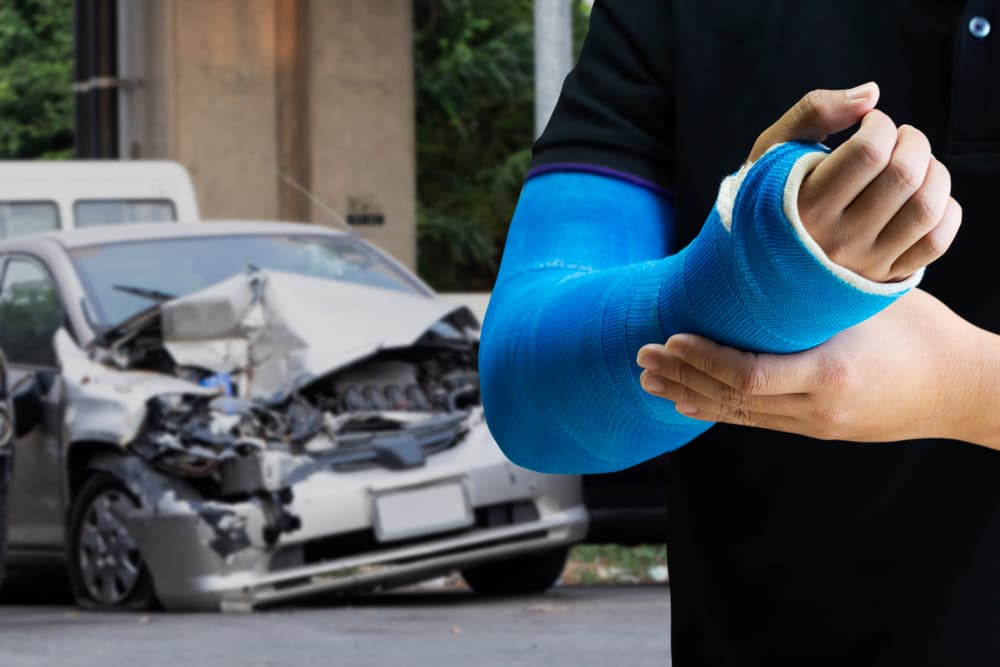
The severity of your injuries directly affects how much compensation you can recover after an Uber or Lyft accident. Minor soft tissue injuries may resolve with a few physical therapy sessions. Catastrophic injuries can require years of treatment and ongoing care.
Common rideshare accident injuries include:
- Whiplash and neck injuries: Rear-end collisions frequently cause soft tissue damage that leads to chronic pain.
- Back and spinal cord injuries: Herniated discs, fractured vertebrae, and spinal cord trauma may require surgery and long-term rehabilitation.
- Traumatic brain injuries: Even a "mild" concussion can cause lasting cognitive problems. Severe TBIs may require treatment at specialized facilities.
- Broken bones and fractures: Arms, legs, ribs, and facial bones commonly break in high-impact crashes.
- Internal injuries: Damage to organs may not be immediately apparent but can be life-threatening without prompt treatment.
- Cuts, bruises, and lacerations: Broken glass and debris can cause wounds that leave permanent scars.
Philadelphia's major trauma centers, including Penn Presbyterian Medical Center, Jefferson Hospital, and Temple University Hospital, regularly treat victims of rideshare accidents. Medical bills add up quickly, which is why identifying every available insurance source is crucial.
Steps to Protect Your Right to Compensation
Taking the right actions after a rideshare crash strengthens your ability to recover the money you need for medical care.
Report the accident promptly
Notify your own auto insurance carrier as soon as possible to open your PIP claim. Also report the crash through the Uber or Lyft app. These reports create official records that support your claim later.
Seek medical attention right away
Some injuries don't produce immediate symptoms. Seeing a doctor promptly documents the connection between the crash and your injuries. Gaps in treatment give insurers an excuse to argue your injuries weren't serious.
Keep detailed records
Save everything related to the accident and your treatment:
- Medical bills and explanation of benefits statements
- Receipts for prescriptions and medical equipment
- Documentation of missed work and lost income
- Photos of your injuries as they heal
- Communication with insurance companies
Be cautious with recorded statements
Insurance adjusters may contact you quickly and ask for a recorded statement. Anything you say can be used to reduce your claim. Politely decline until you've spoken with an attorney.
How a Lawyer Helps Get Your Medical Bills Paid
Rideshare accident claims involve multiple insurers, corporate legal teams, and Pennsylvania's layered insurance rules. Handling this alone puts you at a disadvantage.
An attorney can:
- Identify all applicable insurance policies and file claims correctly
- Communicate with Uber, Lyft, and their third-party administrators on your behalf
- Push back when insurers delay or deny valid claims
- Negotiate with medical providers to prevent collections activity while your claim is pending
- Pursue a lawsuit if insurance coverage falls short of your actual losses
Obtaining legal help as soon as possible after a rideshare accident often speeds up the process. Insurers are more likely to take claims involving an experienced attorney more seriously.
Top Questions About Paying Medical Bills After a Rideshare Accident
Does my own car insurance pay if I was a passenger in an Uber?
Yes. Pennsylvania's no-fault system requires you to use your own PIP coverage first, even if you were a passenger in someone else's vehicle. If you don't have auto insurance, the rideshare company's coverage or a household member's policy may apply.
What if the Uber driver's personal insurance denies my claim?
If the driver was logged into the app, Uber or Lyft's commercial policy should provide coverage. An attorney can pressure the rideshare company to accept responsibility when the driver's personal insurer won't pay.
Can I sue Uber or Lyft directly for my injuries?
It's difficult to sue the rideshare company itself because drivers are classified as independent contractors. However, their insurance policies are designed to cover passenger injuries. In some cases, claims against the company may be possible if corporate negligence contributed to the crash.
How long do I have to file a claim after a rideshare accident?
Pennsylvania's statute of limitations for personal injury claims is two years from the date of the accident. However, PIP claims have shorter notice requirements. Filing a rideshare accident claim promptly preserves your rights and keeps evidence fresh.
What if I'm from out of state and was injured in a rideshare accident in Philadelphia?
Tourists, business travelers, and visitors injured in Uber or Lyft accidents in Pennsylvania have the same right to pursue compensation as residents. The claim will generally be governed by Pennsylvania law since the accident occurred here. Your own auto insurance from your home state may provide some coverage, and Uber or Lyft's policy applies regardless of where you live. An attorney licensed in Pennsylvania can handle your case remotely, so you don't need to travel back and forth for meetings or court appearances.
What if the other driver was uninsured or fled the scene?
Uber and Lyft carry $1 million in uninsured/underinsured motorist coverage during active rides. This coverage protects you when the at-fault driver doesn't have insurance or can't be identified.
Will filing a claim affect my ability to use Uber or Lyft?
No. There's no evidence that rideshare companies deactivate passenger accounts for filing legitimate injury claims. Your right to compensation is separate from your ability to use the platform.
Call for a Free Consultation with a Philadelphia Rideshare Accident Lawyer Today
When you're injured in a rideshare accident, insurance companies often pressure you to accept a quick settlement and move on. But a fast payout rarely accounts for ongoing medical care, future therapy, or the long-term effects of a serious injury.

The Oakes Firm represents injured passengers throughout Pennsylvania in rideshare accident cases. We take the time to evaluate your full range of losses and deal directly with Uber, Lyft, and their insurers so you can focus your time and energy on your recovery.
If you were injured in an Uber or Lyft accident in Philadelphia, call us or contact us online today for a free consultation. Our Philadelphia rideshare accident lawyers work on a contingency basis, which means you pay nothing unless we recover compensation for you.